
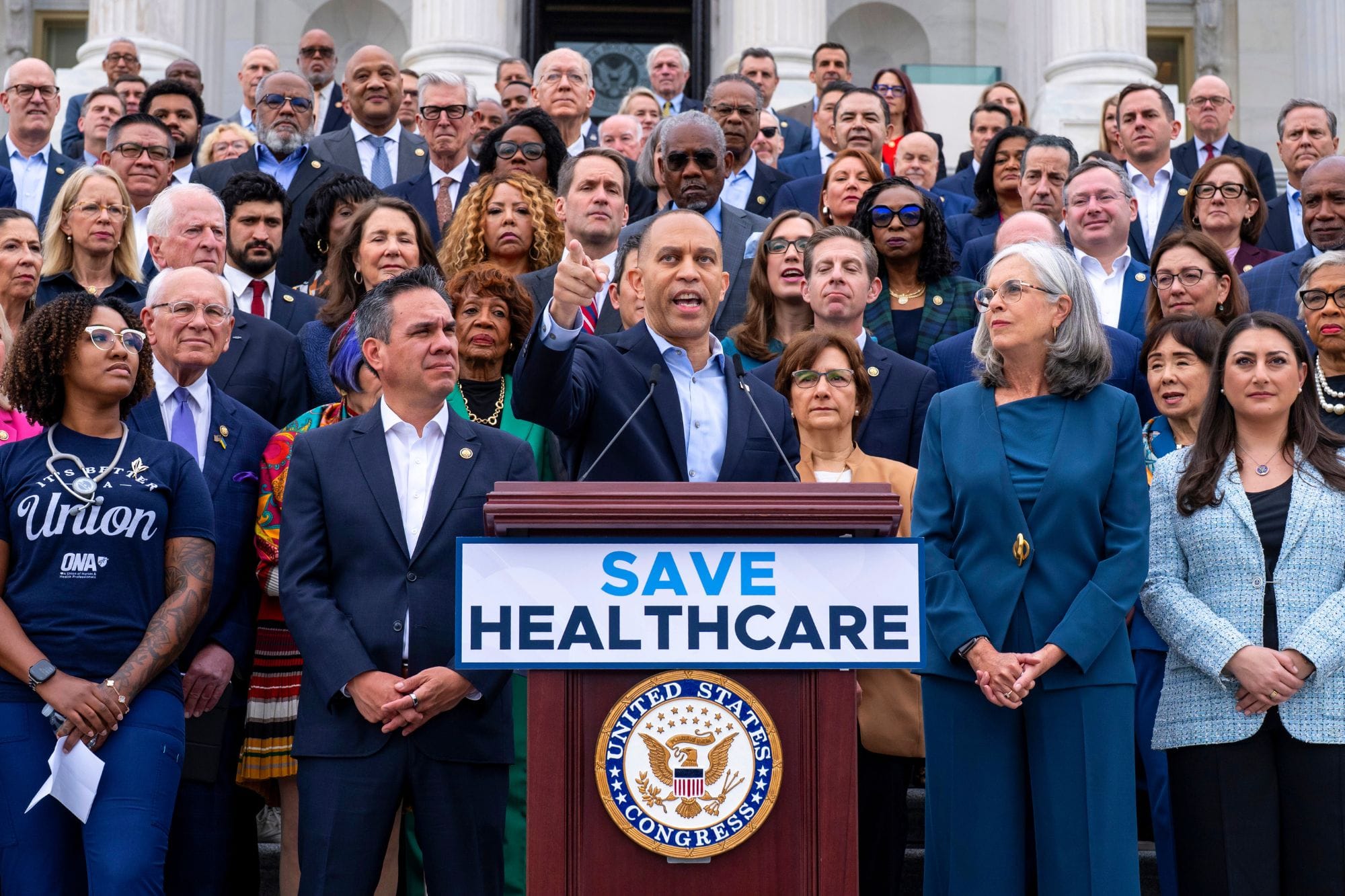
The debate over healthcare funding in the United States is arguably the nation’s most complex (US Health) and enduring policy battle. The core argument centers on a fundamental question. Should the government fully fund health insurance, ensuring universal coverage? Alternatively, should the system be left primarily to the private market, relying on competition and individual choice? The current system is a hybrid. It utilizes vast public programs (Medicare, Medicaid) alongside a dominant, employment-based private market. However, the persistent issues of cost and access demand a serious re-evaluation of this model.
The Market-Based Model: Choice and Innovation US Health
Proponents of the market-based approach champion efficiency and choice. They argue that private insurance fosters competition. This competition drives innovation in medical technology.
Fostering Competition and Technology
A private, market-driven system is seen as the engine of medical progress. The incentives for profit encourage massive private investment. This leads to the rapid development of new drugs, advanced surgical tools, and cutting-edge treatments. Furthermore, supporters stress consumer freedom. The market allows individuals to choose plans that fit their specific needs and budgets. This freedom contrasts with a standardized, government-run system. In addition, many Americans are satisfied with their current employer-sponsored private insurance. They worry that government interference would reduce the quality and speed of care they currently receive.
Concerns Over Cost Control US Health
However, the market’s primary failure is cost control. The U.S. far exceeds all other developed nations in per capita health spending. This is true despite failing to achieve superior outcomes. The fragmented system features multiple private payers. This structure results in enormous administrative waste. Moreover, the consolidation of health insurers and hospital systems increases market power. This allows providers to charge significantly higher prices. Therefore, the profit motive, while driving innovation, often prioritizes revenue over the patient’s affordability.

The Public Funding Model: Equity and Universal Access US Health
Advocates for universal, government-funded insurance focus on equity and social justice. They argue that healthcare is a fundamental right. It should not be treated as a commodity.
Eliminating Coverage Gaps and Financial Strain
The strongest argument for public funding is universal coverage. A government-funded system would eliminate the persistent gap. It would cover the millions of Americans who remain uninsured or underinsured. This change would stop medical bankruptcy. It would ensure that essential care is accessible to all citizens, regardless of their employment or income status. Furthermore, public systems often benefit from lower administrative costs. This is because they operate as a single entity. The government gains significant leverage. It can negotiate lower prices for drugs and medical services. This power is not available to fractured private insurers.

Challenges: Cost, Choice, and Bureaucracy US Health
Conversely, opponents of public funding raise serious concerns. The shift would require a massive tax increase. They question the sustainability of funding a fully expanded public system. Critics also argue that government control could stifle innovation. The system would likely introduce bureaucracy and long wait times. Physicians may choose to leave the profession. This would occur if government-imposed payment caps significantly lower their compensation. Consequently, the trade-off involves sacrificing some flexibility and speed for guaranteed universal access.
The Hybrid Reality and the Way Forward
The U.S. system is already a complex hybrid model. Roughly 43% of national health spending comes from public programs like Medicare and Medicaid. Furthermore, subsidies are extended through the Affordable Care Act (ACA) marketplaces.
Subsidies and ACA Marketplaces
Government intervention through the ACA demonstrates a commitment to market regulation. ACA subsidies have dramatically increased enrollment. They make private marketplace coverage more affordable for millions. However, this system is neither a pure free market nor a fully funded public system. This dual approach often leaves the system vulnerable. Funding battles, like the recent disputes over enhanced subsidies, create immense uncertainty. The subsidies are critical. They prevent sudden, steep premium shocks for millions of low- and middle-income families.
Finding a Balanced Solution US Health
The debate’s trajectory suggests the solution is not an all-or-nothing proposition. The best path forward may involve a carefully regulated hybrid. The government must maintain its role. It should guarantee universal coverage for essential care. It must also regulate costs aggressively. This regulation could involve negotiating drug prices. Simultaneously, the private sector can continue to drive innovation. Strict regulatory oversight is essential. This oversight ensures that the benefits of private innovation remain accessible and affordable for everyone. Therefore, true healthcare reform requires political will. It must move past ideological absolutes. It must focus instead on creating a sustainable and equitable system for all Americans. US Health
Read More Articles Click Here. Read Previous Article Click Here.
About The Author


















Leave a Reply