
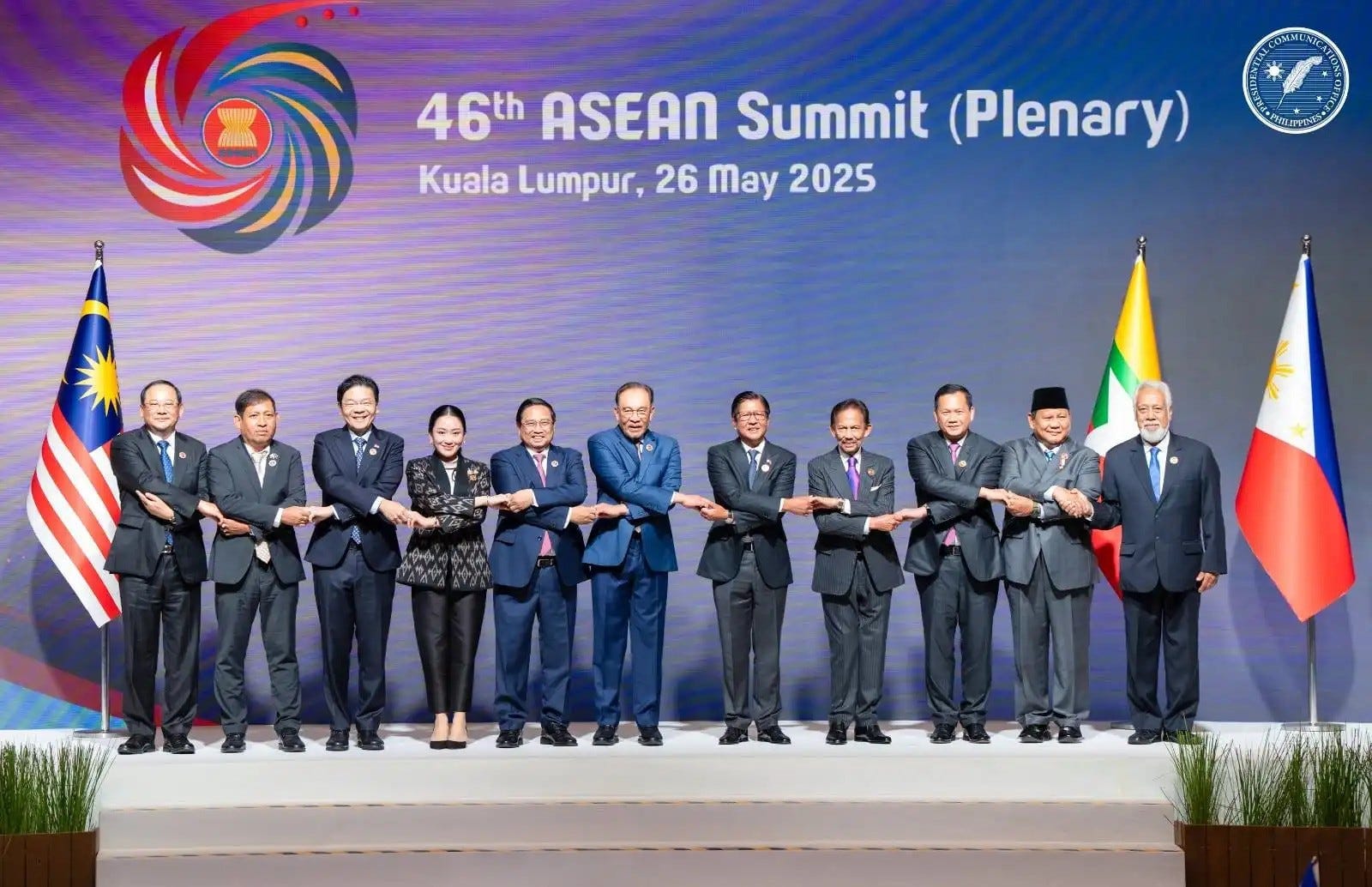
Southeast Asia has completed one of the modern (Economic Growth.) era’s greatest transformations. Once defined by conflict, the region is now an economic powerhouse. The ten members of the Association of Southeast Asian Nations (ASEAN) collectively represent a market of over 670 million people. Furthermore, their combined Gross Domestic Product (GDP) totals nearly $4 trillion. This makes ASEAN the world’s fifth-largest economy. It is projected to be the fourth-largest by 2030. However, the question remains crucial. Can this immense economic weight be converted into real, decisive political and geopolitical power? The answer lies in navigating external rivalries and overcoming persistent internal divisions. Economic Growth.
The Foundation: Economic Might and Strategic Location Economic Growth.
The region’s rise provides a powerful argument for increased influence. ASEAN is no longer just a collection of developing nations. It is instead a vital engine of global commerce.
A Global Manufacturing Hub
Southeast Asia has firmly established itself as a cornerstone of global supply chains. For example, countries like Vietnam and Malaysia are key manufacturing centers. They produce everything from electronics to textiles. The region is benefiting hugely from the recent trend of supply-chain diversification. This means companies are moving production out of China. The region is also rich in essential natural resources. Indonesia, for instance, holds significant reserves of nickel. Nickel is a critical component for electric vehicle (EV) batteries. Therefore, Southeast Asia’s control over these resources grants it geoeconomic leverage.
Demographic and Growth Advantages Economic Growth.
The region boasts highly favorable demographics. It features a large, youthful, and growing labor force. This contrasts sharply with the aging populations of China and the West. Economically, ASEAN consistently outperforms global averages. Its projected growth significantly outpaces that of the U.S. and the EU. This robust growth attracts massive foreign direct investment (FDI). Consequently, ASEAN finds itself in a powerful position. It is a desirable partner for nearly every major global power. Economic Growth.
The Great Challenge: Navigating Great Power Rivalry
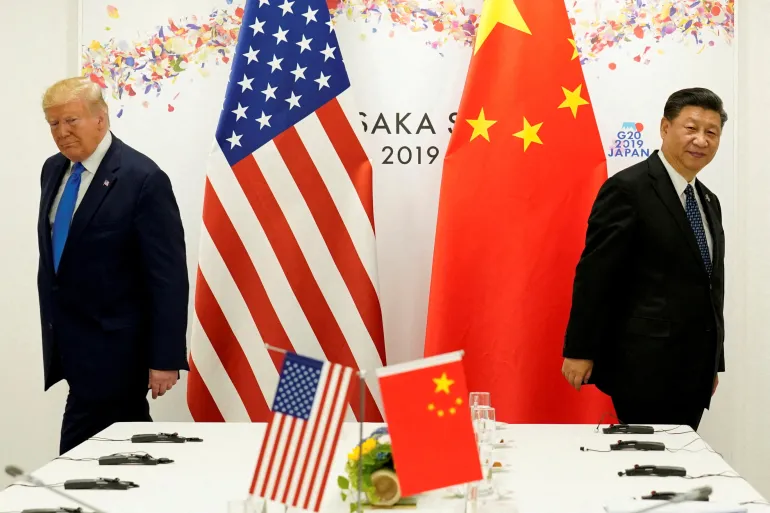
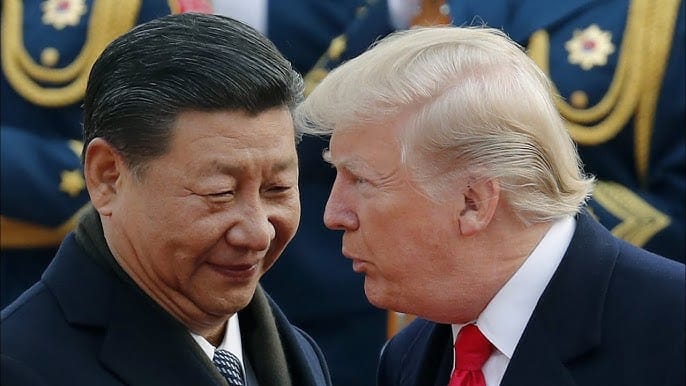
The fierce competition between the United States and China presents ASEAN with its greatest strategic test. This rivalry is both a danger and a distinct opportunity.
The Balancing Act: Multialignment
Southeast Asian nations have perfected a strategy of multialignment. They refuse to align exclusively with either Washington or Beijing. Instead, they seek to maintain strategic autonomy. This means they pursue economic gains from China. They view China as their largest trading partner. Simultaneously, they rely on the U.S. for security cooperation and high-value foreign investment. This strategic neutrality is not passive. It is instead an active, calculated form of geopolitical hedging. Therefore, ASEAN aims to leverage the competition. It uses the need of both superpowers for access and influence to extract maximum concessions and investments. Economic Growth.
The Threat of Fragmentation Economic Growth.
However, this delicate balancing act carries immense risks. The intense pressure from both the U.S. and China threatens to fragment ASEAN unity. For example, territorial disputes in the South China Sea often pit individual ASEAN states against Beijing. This internal disagreement weakens the bloc’s collective bargaining position. Furthermore, some member states, like Cambodia and Laos, are deeply reliant on Chinese economic aid. This reliance makes them vulnerable to political influence. Consequently, when ASEAN struggles to reach a joint communiqué on contentious issues, its centrality is undermined. The bloc risks becoming mere “pawns” in the wider geopolitical game.
The Internal Obstacles to Power Projection
ASEAN’s potential global power is significantly constrained by internal challenges. The diversity that defines the region is also its greatest weakness.
Disparities in Development
The bloc encompasses extreme variations in economic development. For example, Singapore is one of the wealthiest nations globally. Its GDP per capita is extremely high. Conversely, countries like Myanmar and Cambodia remain low-income states. This disparity complicates efforts to achieve genuine economic integration. It makes regulatory harmonization difficult. Therefore, the lack of a genuine single market remains a persistent structural hurdle.
Lack of Institutional Cohesion
ASEAN operates on a principle of consensus and non-interference. This diplomatic style has historically promoted regional peace. However, it limits the bloc’s ability to act decisively. It prevents a strong, collective political voice on the global stage. For instance, the protracted crisis in Myanmar has paralyzed the bloc’s political mechanisms. The inability to enforce its own Five-Point Consensus on Myanmar erodes ASEAN’s credibility. Unless ASEAN can reform its mechanisms to speak with one authoritative voice, its political power will remain less than its economic size suggests.
Conclusion: The Path to Real Power Economic Growth.
Can Southeast Asia turn its economic weight into real power? The potential is undeniable. The region holds the demographics, the resources, and the strategic position to be a major third pole. The strategy of multialignment is currently yielding short-term gains and unprecedented investment. However, transforming this geoeconomic potential into geopolitical reality requires overcoming severe internal obstacles. ASEAN must strengthen its institutional cohesion. It must find a way to speak with a single, firm voice on sensitive issues like the South China Sea. It must ensure that the economic gains from major powers do not compromise its strategic autonomy. Ultimately, the region must move beyond being a successful arena of competition. It must instead become a decisive arbiter of regional order. The success of this endeavor will not only define Southeast Asia’s future. It will define the future of global stability itself. Economic Growth.
Read More Articles Click Here. Read Previous Article Click Here.
About The Author
















Leave a Reply