
The FIFA World Cup 2026, hosted across the United States, Mexico, and Canada, (FIFA World Cup) marks a seismic shift in global football. Specifically, the tournament has been expanded from 32 to a record 48 teams. Consequently, this unprecedented expansion means more spots for every confederation, creating historic opportunities for nations previously on the outside looking in. Indeed, as the qualification process enters its final, dramatic stages, the identity of the vast majority of the 48 finalists has been confirmed. However, the most intense drama is yet to come, as the final few berths are decided in high-stakes playoff tournaments in March 2026. FIFA World Cup
The Confirmed Finalists: The 42 Qualified Nations FIFA World Cup
The list of teams already qualified is a blend of traditional powerhouses, regional champions, and nations making their debut on the world stage.
🇺🇸🇲🇽🇨🇦 The Hosts and CONCACAF Direct Qualifiers
First and foremost, the three host nations automatically secure their places. Therefore, Canada, Mexico, and the United States are guaranteed participants in the final tournament.
Beyond the hosts, the CONCACAF region (North, Central America, and the Caribbean) also delivered three direct qualifiers:
- Panama
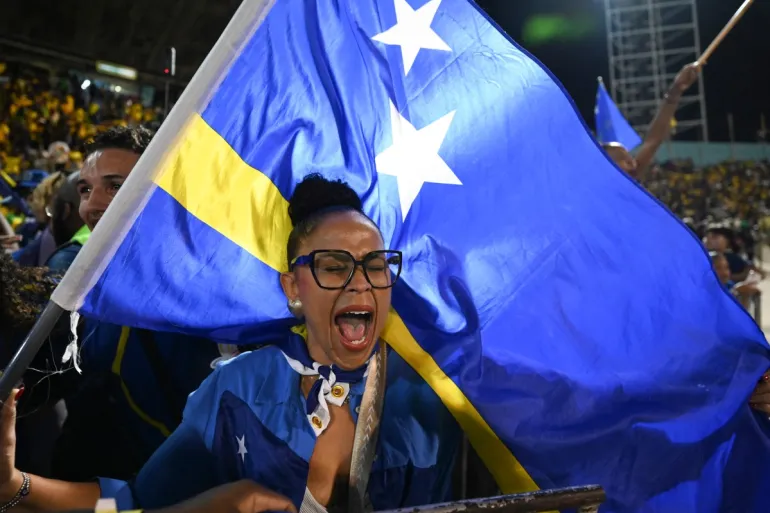
- Curaçao (making their World Cup debut as the smallest-ever nation to qualify)
- Haiti
UEFA’s Strong Contingent FIFA World Cup
Europe was among the first confederations to finalize its automatic qualification spots, which total 16 under the new format. The confirmed group winners include: FIFA World Cup
- Croatia
- England
- France
- Norway
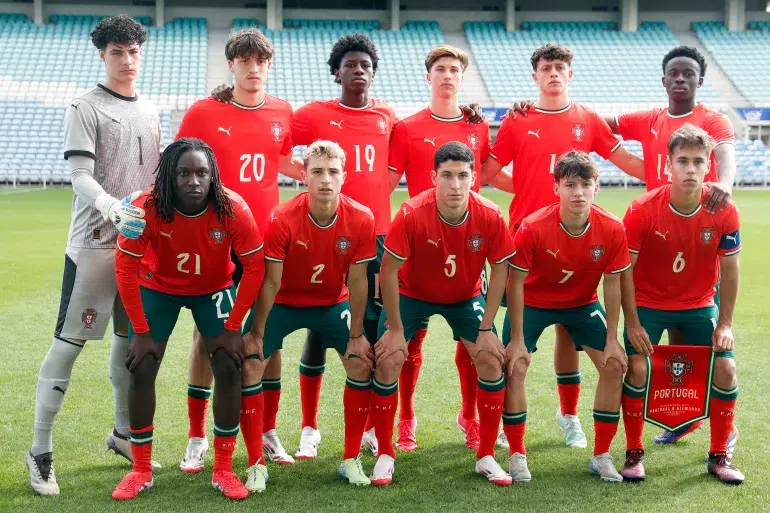
- Portugal
- Germany
- Netherlands
- Spain
- Belgium
- Switzerland
- Austria
- Scotland

Africa and Asia: Expanded Opportunities
Both the AFC (Asia) and CAF (Africa) saw a significant increase in their guaranteed qualification slots, leading to historic success for several nations.
Asia (8 Direct Slots):
- Australia
- IR Iran
- Japan
- Jordan (debut)
- Qatar
- Saudi Arabia
- South Korea
- Uzbekistan (debut)
Africa (9 Direct Slots):
- Algeria
- Cape Verde (debut)
- Côte d’Ivoire
- Egypt
- Ghana
- Morocco
- Senegal
- South Africa
- Tunisia
South America and Oceania
The famously grueling CONMEBOL (South America) qualification now awards six direct slots, while Oceania receives one guaranteed place for the first time.
- CONMEBOL (6 Direct Slots): Argentina (defending champions), Brazil, Colombia, Ecuador, Paraguay, and Uruguay.
- OFC (1 Direct Slot): New Zealand.
The Final Six Spots: Who Can Still Qualify? FIFA World Cup
The tension is now building toward March 2026, when the final six places will be decided across two crucial playoff tournaments: the UEFA Playoffs and the Inter-Confederation Play-Off Tournament.
European Playoff Path (4 Remaining Spots)
Europe still needs to decide its final four representatives. Specifically, 16 teams will compete in four separate playoff paths, each resulting in one World Cup spot.
The 16 teams include:
- 12 Group Runners-up from the main qualification rounds (e.g., Denmark, Italy, Ukraine, Türkiye, Wales, Poland, etc.).
- 4 Highest-ranked UEFA Nations League Group Winners who did not secure an automatic top-two finish (e.g., Romania, Sweden, Northern Ireland, North Macedonia).
Therefore, these 16 teams will be drawn into four four-team knockout brackets, competing in single-leg semi-finals and finals. Ultimately, the winners of the four finals will secure the last four European berths in the World Cup.
Inter-Confederation Playoff (2 Remaining Spots)
The final two slots in the 48-team tournament will be determined by the FIFA Play-Off Tournament in March 2026. This unique tournament will feature six teams from six different confederations competing for just two places.
The six teams are:
- AFC: Iraq
- CAF: DR Congo
- CONMEBOL: Bolivia
- OFC: New Caledonia
- CONCACAF (2 Slots): Jamaica and Suriname
The format is a mini-tournament: The two highest-ranked teams (based on FIFA rankings) are seeded and automatically advance to the final. Consequently, the remaining four teams play single-leg semi-finals, with the winners progressing to face the seeded teams in the final. The two winners of these finals will secure the final two spots for the World Cup.

The Expanded Allocation Breakdown FIFA World Cup
The expansion to 48 teams radically alters the number of guaranteed slots for each of the six FIFA confederations. This distribution directly impacts which teams still have a chance to qualify:
| Confederation | Direct Slots (Q) | Play-Off Tournament (P) | Total Max Slots |
| AFC (Asia) | 8 | 1 | 9 |
| CAF (Africa) | 9 | 1 | 10 |
| CONCACAF (North & Central America) | 3 + (3 Hosts) = 6 | 2 | 8 |
| CONMEBOL (South America) | 6 | 1 | 7 |
| OFC (Oceania) | 1 | 1 | 2 |
| UEFA (Europe) | 12 | 4 | 16 |
| Total | 42 | 6 | 48 |
Evidently, the biggest winners in the expansion are the AFC and CAF, which saw their direct allocations nearly double. Furthermore, this new structure ensures that World Cup 2026 will truly be the most globally representative tournament in history, opening the door for many debut nations like Curaçao, Jordan, and Cape Verde. Ultimately, the final few playoff games in March will provide the last, intense moments of drama before the official World Cup draw takes place in December 2025. FIFA World Cup
Read More Articles Click Here. Read Previous Article Click Here.
About The Author













Leave a Reply