
A Decade of Change and Empty Cradles
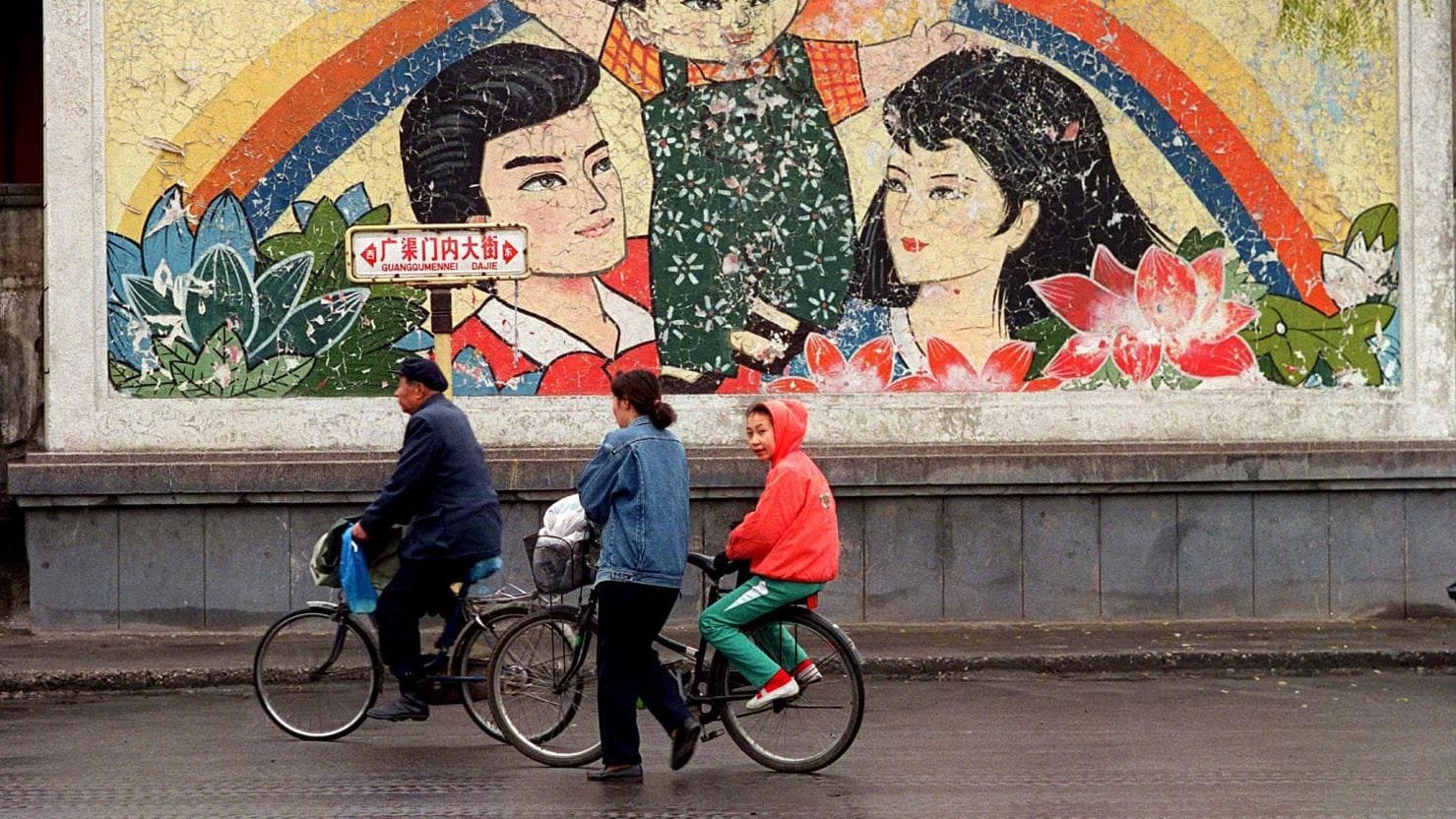
The year 2026 marks a very big milestone for the nation of China. It has been exactly ten years since the country ended its famous “one-child” policy. Back in 2016, leaders hoped that a “two-child” rule would spark a baby boom. Later, in 2021, they even moved to a “three-child” policy to help the numbers grow. New Baby Policy.
However, despite these big changes, the results have been very disappointing for Beijing. Birth rates have continued to drop to record lows year after year. Most citizens are simply not winning over by the government’s push for more children. The dream of a younger, bigger nation is fading fast into a new reality.
The High Cost of Raising a Child
One of the biggest hurdles for parents in China is the massive cost of living. In big cities like Shanghai and Beijing, housing prices are sky-high. Furthermore, the cost of education has become a heavy burden for most families. Parents feel they must pay for expensive tutors to help their kids get ahead.
Even though the government tried to ban private tutoring, the “rat race” has not stopped. Because of these costs, many young couples feel they can barely afford to feed themselves. Adding a child to the mix feels like a “financial trap” they cannot escape. Consequently, the idea of having two or three kids is simply out of the question.
The Struggle for Women in the Workforce
Women in China are facing a very difficult choice between family and work. Many female workers fear that having a baby will end their career growth. Employers often worry that moms will take too much leave or work fewer hours. Because of this, some women face “hidden bias” when they apply for top jobs.
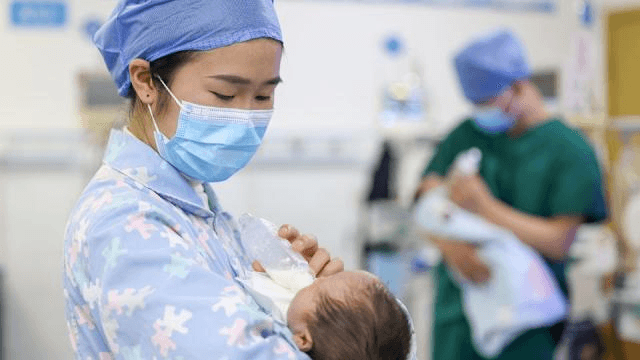
Additionally, the burden of childcare still falls mostly on the shoulders of mothers. Many young women now prioritize their “economic freedom” over starting a family. They have seen their own mothers struggle and do not want the same life. For them, a career offers a sense of safety that a large family does not.
A Generation of Only Children
The long history of the one-child policy has changed how people think about family. For over 30 years, the “4-2-1” family structure became the standard in China. This means four grandparents and two parents all focus on just one child. Now, that “only child” generation is all grown up and entering the workforce.
They are used to being the center of attention and having limited siblings. More importantly, they are now responsible for caring for six elderly relatives. This “caregiver burden” leaves them with very little time or energy for their own kids. The social habit of having a small family has become very hard to break.
Youth Unemployment and Future Fears
The job market for young people has been very “bumpy” over the last few years. In 2025, youth unemployment reached record levels across the country. Many college graduates are finding it hard to secure stable, high-paying jobs. Without a steady paycheck, young men and women cannot plan for a wedding.
Marriage rates have hit an all-time low as people wait longer to settle down. If people are not getting married, they are certainly not having babies. The fear of an “uncertain future” is keeping many cradles empty in 2026. Most young adults are just trying to “survive” the current economy.
The Failure of Government Incentives
Beijing has tried many ways to encourage people to have more children. Some cities offer cash “baby bonuses” to parents who have a second or third child. Other areas have increased the length of maternity and paternity leave. Furthermore, some local governments are offering tax breaks and cheaper housing for big families.
However, most citizens feel these rewards are “too little, too late.” A one-time cash gift does not cover years of school fees and healthcare. People see these perks as a “band-aid” for a much bigger, deeper wound. The trust in these government promises remains quite low among the youth.
The Rapid Aging of the Nation
While births are down, the number of elderly citizens is growing very fast. China is now home to one of the fastest-aging populations in the world. By 2035, more than 400 million people in China will be over the age of 60. This shift is putting a massive strain on the national pension system.
There are fewer young workers to support the growing number of retirees. This “demographic crisis” is a major worry for the country’s long-term strength. The government is desperate for more babies to fill the factories of the future. But the citizens are focused on the “here and now” of their daily lives.
Shifting Social Values in 2026
The values of the “Gen Z” and “Millennial” groups in China have changed deeply. In the past, having a large family was seen as a sign of success and luck. Today, many young people value “self-care” and travel more than traditional roles. There is a growing movement called “lying flat” or “letting it rot.” New Baby Policy
This is where young people reject the high-pressure life of the city. They choose to live simple lives with fewer goals and no children. This “quiet protest” is a sign of how tired the youth feel. They do not want to bring a child into a world they find so stressful.
The Urban-Rural Divide in Births
There is also a big difference between life in the city and life in the country. In rural areas, families were often allowed to have more kids in the past. However, many young people from these villages have moved to the cities for work. This has left the countryside with “left-behind” elderly people and very few babies. New Baby Policy
The people who would have more kids are now living the high-cost city life. This “drain of youth” from the country has made the birth crisis even worse. Even in the villages, the sound of children playing is becoming a rare thing. The whole nation is feeling the silence of the birth drop.
A New Path Forward New Baby Policy
In conclusion, ten years after ending the one-child policy, China is in a tough spot. The push for more babies is clearly not winning over the hearts of the people. High costs, career fears, and changing values are all playing a part. The government may need to look at deeper “structural changes” to fix this. Simply changing the rules from one to three is not enough. New Baby Policy
They must make life easier and cheaper for the average person to feel safe. As 2026 moves forward, the “baby crisis” remains a top challenge for the nation. The world is watching to see if the “sleeping giant” can find a way to grow again. New Baby Policy
Read More Articles Click Here. Read Previous Articles Click Here.
About The Author










Leave a Reply