
The United States National Security Strategy (NSS) is a very important document (US Role). It is the roadmap for how the US deals with the world. It tells every country who the US sees as friends and who it sees as rivals.
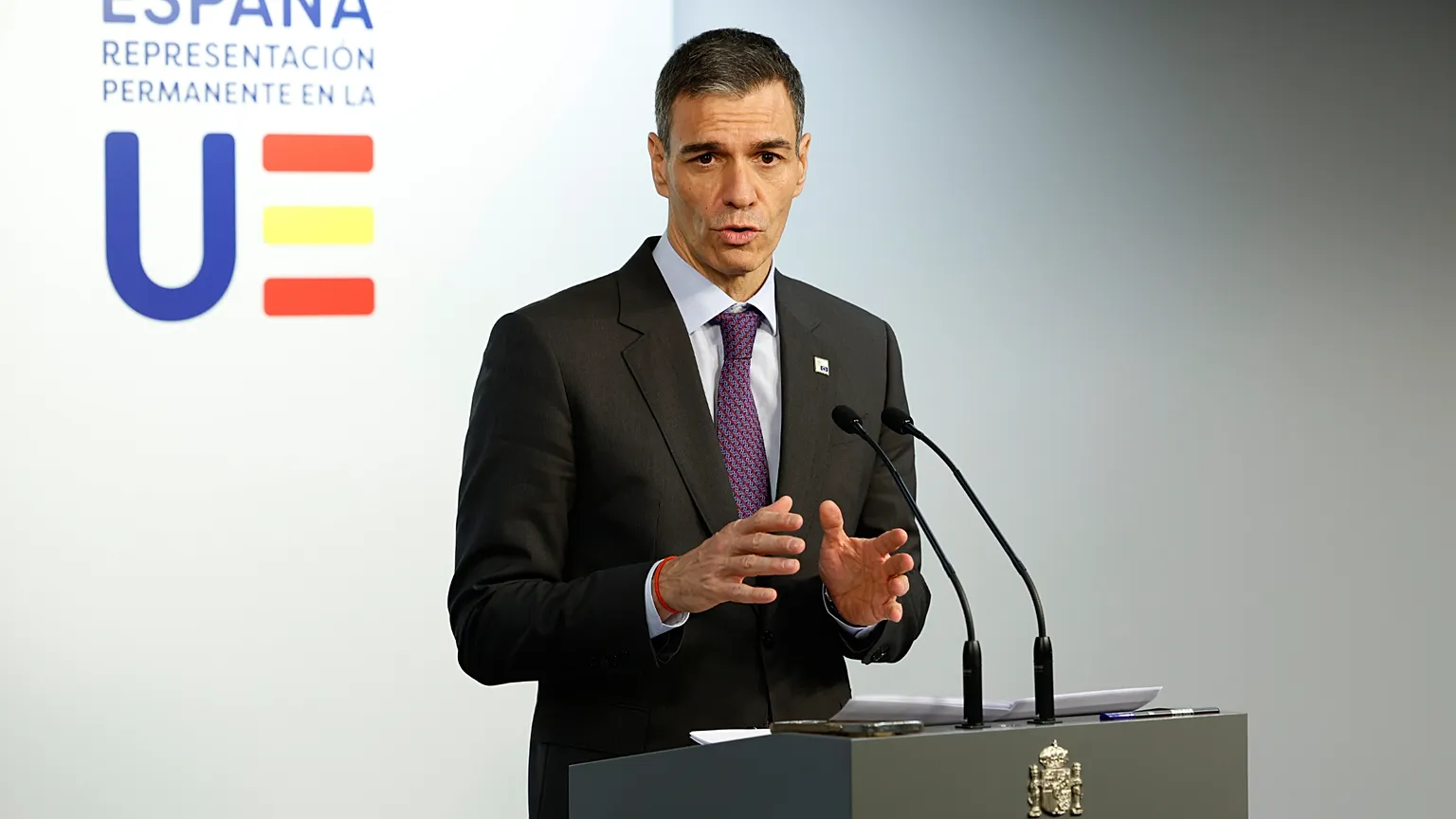
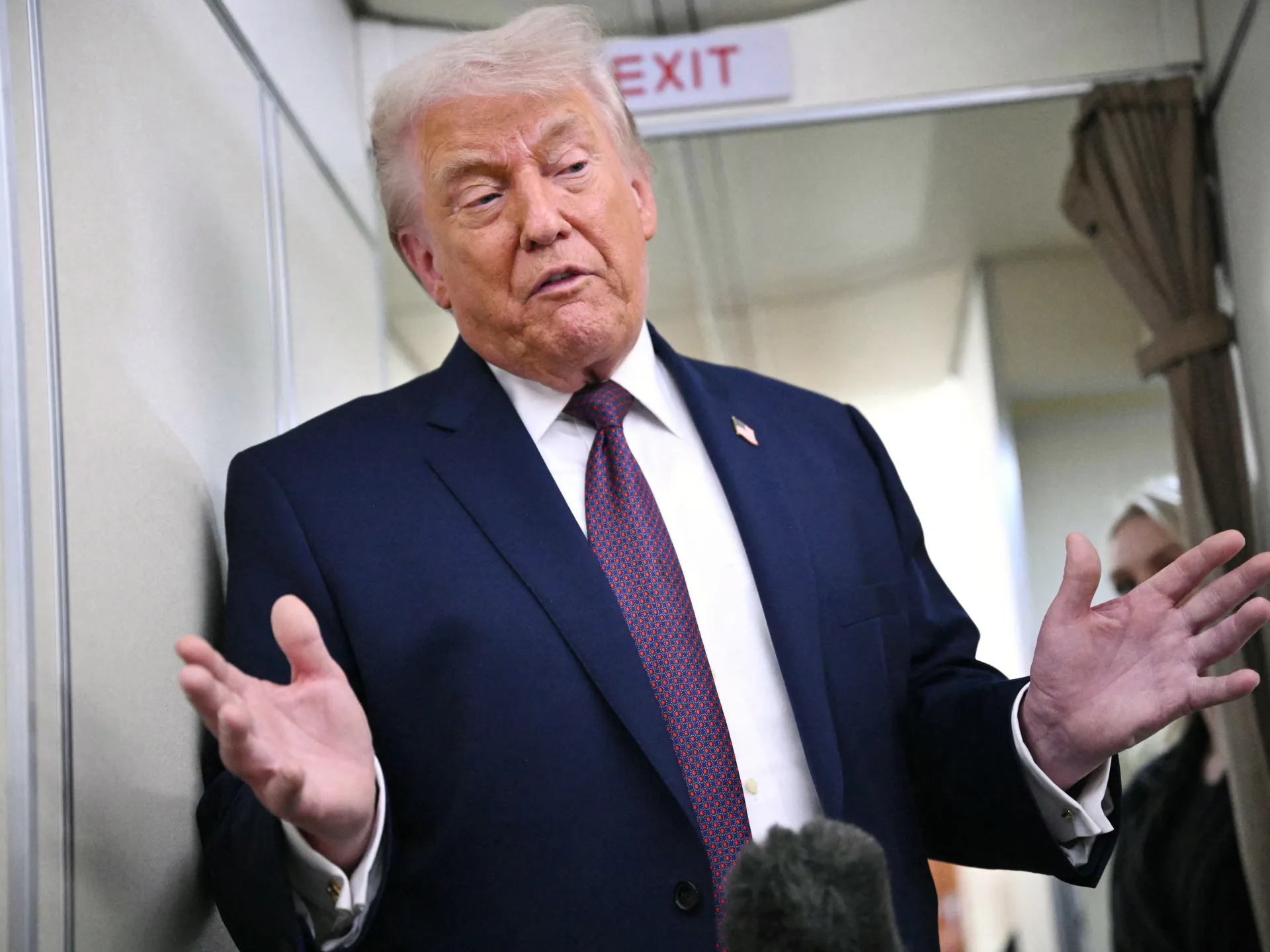
President Donald Trump has released his newest NSS plan. This plan is very controversial. It is causing a major stir in Europe. The plan uses a very strong phrase. It says the US should focus on “cultivating resistance” in Europe. This means the US should help groups that fight current European policies.
The plan also calls for a big change in the Western Hemisphere. The Western Hemisphere includes North, Central, and South America. This new strategy marks a huge shift in US foreign policy. This article will explain these two major, harsh points in the new plan.
‘Cultivating Resistance’ in Europe US Role
The term “cultivating resistance” is one of the harshest parts of the new NSS plan. It shows that the President is deeply frustrated with European leaders.
Why the US is Frustrated
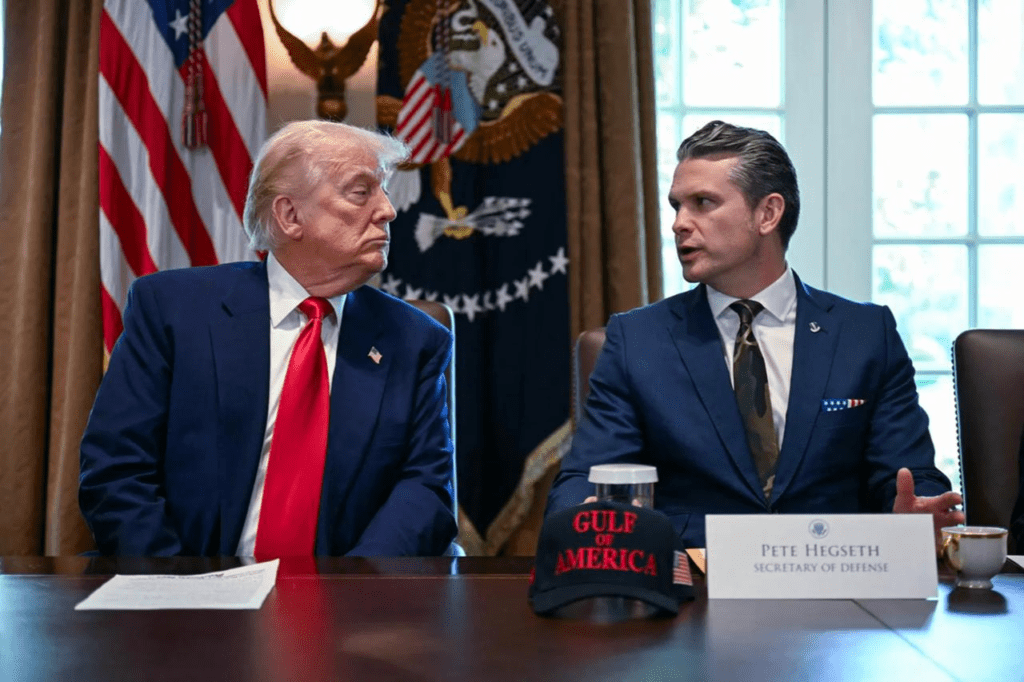
The US has two main reasons for its frustration with Europe.
- Low Military Spending (NATO): This is the oldest complaint. The US thinks European countries do not spend enough money on their own military. The rule for NATO countries is to spend 2% of their country’s income (GDP) on defense. Many European countries do not meet this goal.
- Trade and Technology Rules: The US is also angry about new rules from the European Union (EU). The EU has made strict rules for US tech companies like Google and Apple. The US sees these rules as unfair.
The US thinks that European leaders are slowing down US goals. US thinks Europe is too slow to fight rivals.
What ‘Cultivating Resistance’ Means US Role
The phrase “cultivating resistance” means that the US should help groups that do not agree with the current European leaders.
- Supporting Populists: The plan suggests helping political parties and groups that are outside the current power structure. These groups are often called populist. Populist groups often disagree with the EU and current trade agreements.
- Challenging the EU: The goal is to create more pressure on European leaders. This pressure will force them to meet the 2% defense spending goal. It will also force them to change their trade and technology rules to favor the US.
This is a very aggressive approach. It is unusual for the US to talk about helping groups fight the leaders of its closest friends. It suggests the US is ready to break old diplomatic rules to get what it wants.
The Effect of the Strategy
The plan has shocked many European leaders.
- Deep Mistrust: It creates a deep sense of mistrust between the US and Europe. European leaders now believe the US sees them as a problem, not as a friend.
- Weakening NATO: By trying to create fights within European countries, the US risks weakening NATO. A weak NATO makes the whole Western world less safe, especially against Russia.
Changing the Role in the Western Hemisphere US Role
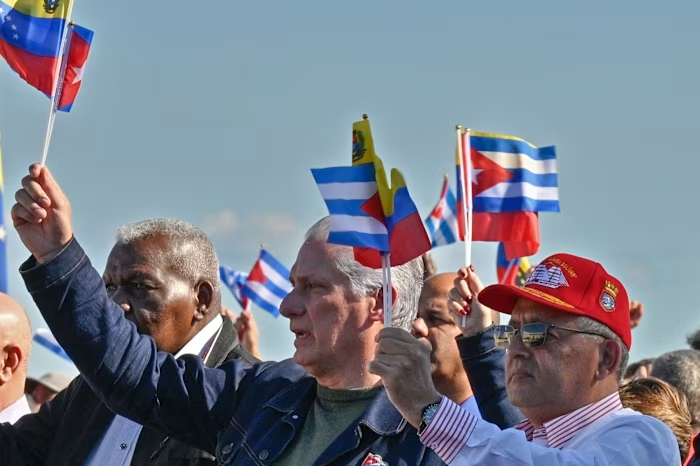
The second major change in the new NSS plan is about the Western Hemisphere. This area includes all the countries in North, Central, and South America.
From Helper to Leader
For many years, the US policy in this area was to be a partner and a helper. The US focused on helping countries develop their economies and fight crime.
The new plan changes this. It says the US must be a clear and strong leader. It must clearly assert its own interests.
Stopping Foreign Influence US Role
The plan says the US must work hard to stop two other major countries from having influence in the Western Hemisphere.
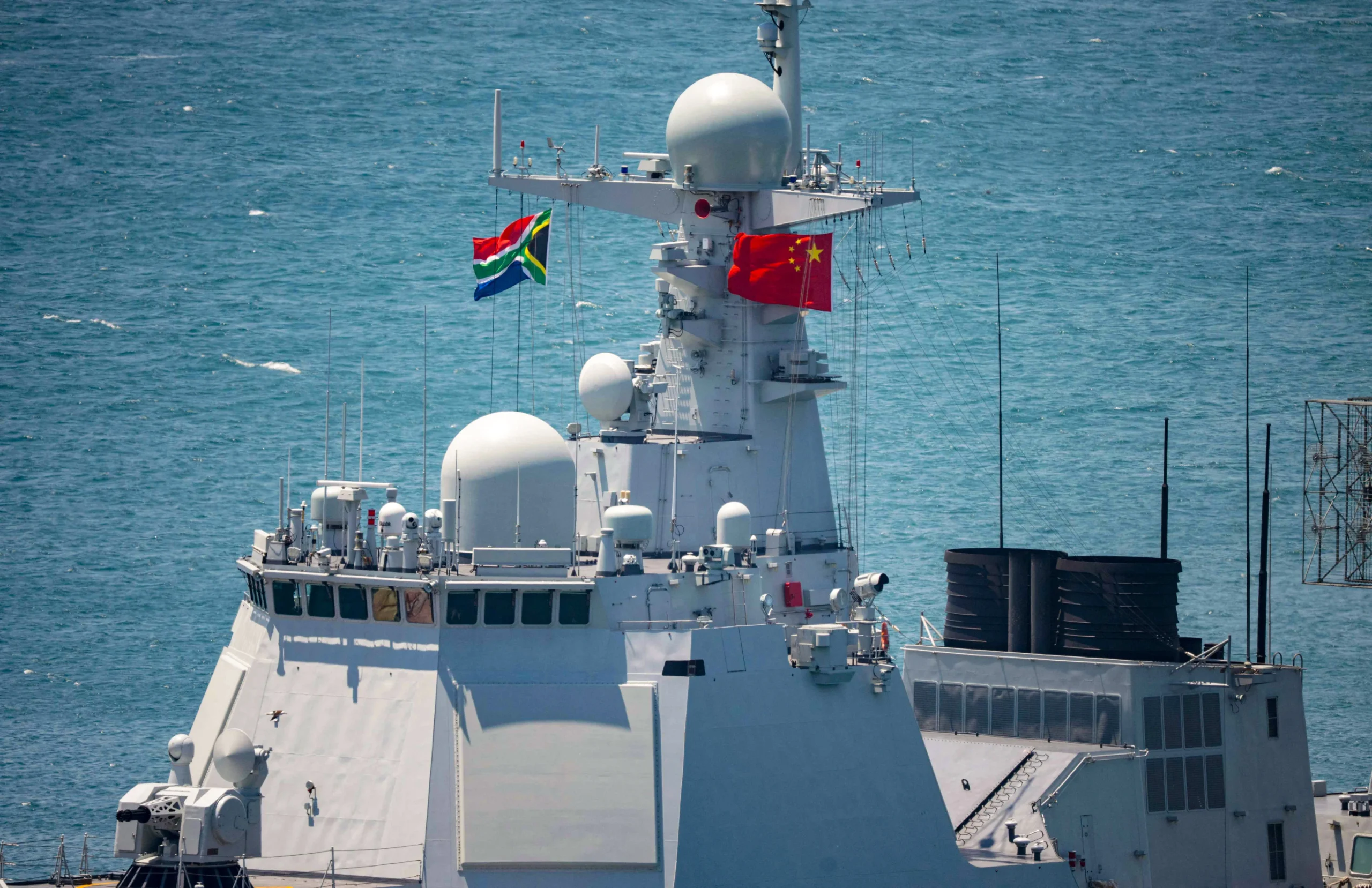
- China: The plan sees China as a rival that is buying influence in Central and South America. China is making loans to these countries. China is building new ports and roads. The US sees this as a threat. The new NSS says the US must stop China’s economic power in the region.
- Russia: The plan also calls out Russia. Russia tries to work with certain governments in the area. The NSS says the US must stop Russia’s attempts to create chaos or spread disinformation.
The US is drawing a red line. A red line is a rule that must not be crossed. The US is saying that the Western Hemisphere is its sphere of influence. Sphere of influence means an area where one country is the main power.
Focus on the Border
The new plan links the security of the whole Western Hemisphere to the US border.
- Threat to the Homeland: The NSS says that problems in Central America (like crime and instability) are a direct threat to the US homeland. This is a very direct and harsh view. US Role
- Taking Control: The plan calls for the US to take a much stronger, more direct role in the region. This is to ensure that borders are secure and that the flow of people and drugs is stopped. US Role
This means a big increase in US money and military focus on the countries near the US border.
The Isolationism vs. Control Debate US Role
The new NSS plan is confusing to some people. It has two parts that seem to fight each other.
Isolationism in Europe
The plan tells Europe to be independent. This is a form of isolationism. It means the US is pulling back its responsibility. US Role
Control in the West
But the plan tells the US to be more controlling in the Western Hemisphere. It tells the US to fight hard to keep rivals out of its own backyard.
- The Difference: The US is willing to be less involved far away (Europe). But it is willing to be much more involved close to home (The Americas).
This distinction shows the President’s view. He believes that the US should use its power only where it directly benefits the US economy and border security.
The Effect on Diplomacy US Role
The new NSS plan will make diplomacy much harder for US officials.
With Europe
US diplomats must now deal with angry European leaders. They must try to convince Europe that the US still values the friendship. This will be difficult when the US plan says to “cultivate resistance.” US Role
With Latin America
In the Western Hemisphere, the plan creates a new problem. Many countries in Central and South America do not want the US to act like a regional boss. They want to be treated as equal partners. The plan’s focus on US control could make these countries angry. They might choose to work with China or Russia even more. US Role
The new plan is designed to be tough. But it risks making old friends angry. It risks pushing neutral countries towards US rivals. US Role
National Security Strategy
President Donald Trump’s new National Security Strategy (NSS) sends two very controversial messages.
First, it suggests a policy of “cultivating resistance” in Europe. This means the US wants to encourage groups to fight current European leaders. This is done to force Europe to spend more on NATO defense. This shows a deep mistrust and willingness to break with tradition. US Role
Second, the plan calls for a major change in the Western Hemisphere. It says the US must be a clear and strong leader. It must fight hard to stop China and Russia from gaining influence. This focus is linked directly to US border security. US Role
The new NSS is a harsh document. It pushes the idea of America First into every part of global policy. This makes the US-Europe relationship difficult. It makes the US relationship with its neighbors more controlling. The plan marks a clear and significant break from the past for US foreign policy.
Read More Articles Click Here. Read Previous Articles Click Here. Inspired by CNN.
About The Author





Leave a Reply