

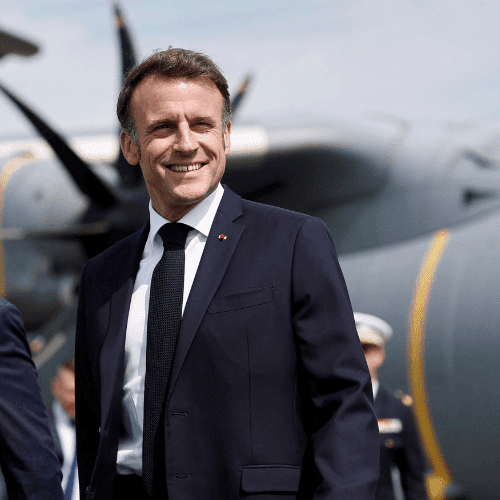
France is getting ready for a new world. The government passed a huge new law. It is called the Military Programming Law (LPM) for 2024–2030. Many people call it Macron’s Lecornu II. This name comes from President Emmanuel Macron and his Minister of the Armed Forces, Sébastien Lecornu.
This is not just a budget plan. It is a promise to spend €413.3 billion on defense over seven years. That is a massive amount of money. The law completely changes how France protects itself. It aims to prepare the country for dangerous, high-level conflict. This article explains what the law is. It also looks at the big impact it will have on France and its place in the world.
What Exactly is the Lecornu II Law?
The LPM is a long-term defense spending bill. France has used these laws since 1958. They ensure that military funding stays steady. This new law, the Lecornu II, is the largest one ever. It was passed in August 2023.
The law sets the path for French forces until 2030. It responds directly to new global threats. These threats include the war in Ukraine and growing tension in the Indo-Pacific region.
The Historic Money Commitment
The most important part of the law is the money. France will spend €413.3 billion by 2030. This is over a 30% increase from the last LPM (2019-2025). The budget will rise every year. By 2030, the annual defense budget should reach nearly €69 billion.
This funding also meets a key goal for NATO. France will now reach the goal of spending 2% of its GDP on defense starting as early as 2025. This is faster than planned before. This move shows France’s strong commitment to its allies.
France Key Priorities: Preparing for High-Intensity War
The Lecornu II law has one main goal. It is to make the French military ready for high-intensity warfare. This means being able to fight large-scale, difficult wars against advanced enemies. The law focuses on fixing key weaknesses that recent conflicts have exposed.
1. Renewal of Nuclear Deterrence
France’s nuclear weapons are its bedrock of defense. The law makes sure this capability stays strong and independent. It promises money to build a new class of nuclear submarines, called the SNLE 3G. These submarines will replace the current ones starting around 2035. This long-term effort is key to France’s strategic autonomy.
2. Investing in New Domains: Cyber, Space, and Drones
Modern war happens everywhere. The law places major focus on new areas of conflict.
- Cyber Defence: The budget includes about €4 billion for cyber defense. This will help France identify, stop, and even counter-attack digital threats.
- Space: France will spend about €6 billion on military space activities. This includes developing patrol satellites, jammers, and new surveillance systems. Control of space is vital for modern communication and intelligence gathering.
- Drones and Counter-Drones: The law makes massive investments in drone technology. This includes acquiring thousands of drones for the Army. It also focuses on anti-drone systems to protect key sites from attack.
3. Equipment and Industry Boost
The law ensures that the military gets the equipment it needs. It focuses on replacing old gear and boosting stock levels, especially for ammunition.
- Air Force: Continued modernization of the Rafale fighter jet fleet is a top priority.
- Navy: The law secures funding to order a new-generation aircraft carrier (PANg). This massive project is critical for projecting French power globally.
- Army: While some vehicle deliveries (like Scorpion armored vehicles) will be slowed down slightly, the focus is on systems like deep land strike capabilities.
The Wide-Reaching Impact on France
Macron’s Lecornu II is not just about soldiers and ships. It has a significant impact on French society, the economy, and its global role.
Impact 1: The “War Economy” and Jobs
The huge defense spending acts as a major economic stimulus. It is aimed at strengthening France’s Defence Industrial and Technological Base (BITD).
- Industrial Boost: The long-term contracts give defense companies stability. This encourages them to invest and hire. Companies like Dassault Aviation (Rafale) and Thales (sensors) are major winners.
- Reindustrialisation: This push is part of a larger government effort to bring manufacturing back to France. The defense sector creates thousands of highly skilled, well-paid jobs across the country.
- Supply Chains: The government is working to simplify production and secure supply chains. This means local production of key items, like ammunition powder, is coming back to French soil.
Impact 2: New Cybersecurity Rules for Businesses
The law includes rules that affect regular businesses. Article 66 of the law brings civilian digital companies into the national defense effort.
- Software Obligation: Software companies operating in France must now notify the French National Information Systems Security Authority (ANSSI) if they find a serious vulnerability in their products.
- User Safety: These companies also have to inform their users about product vulnerabilities quickly. This new rule protects digital systems. It acknowledges that cyber threats affect everyone, not just the military.
Impact 3: Geopolitical and Diplomatic Shift of France
The law formally defines France’s role in a more dangerous world.
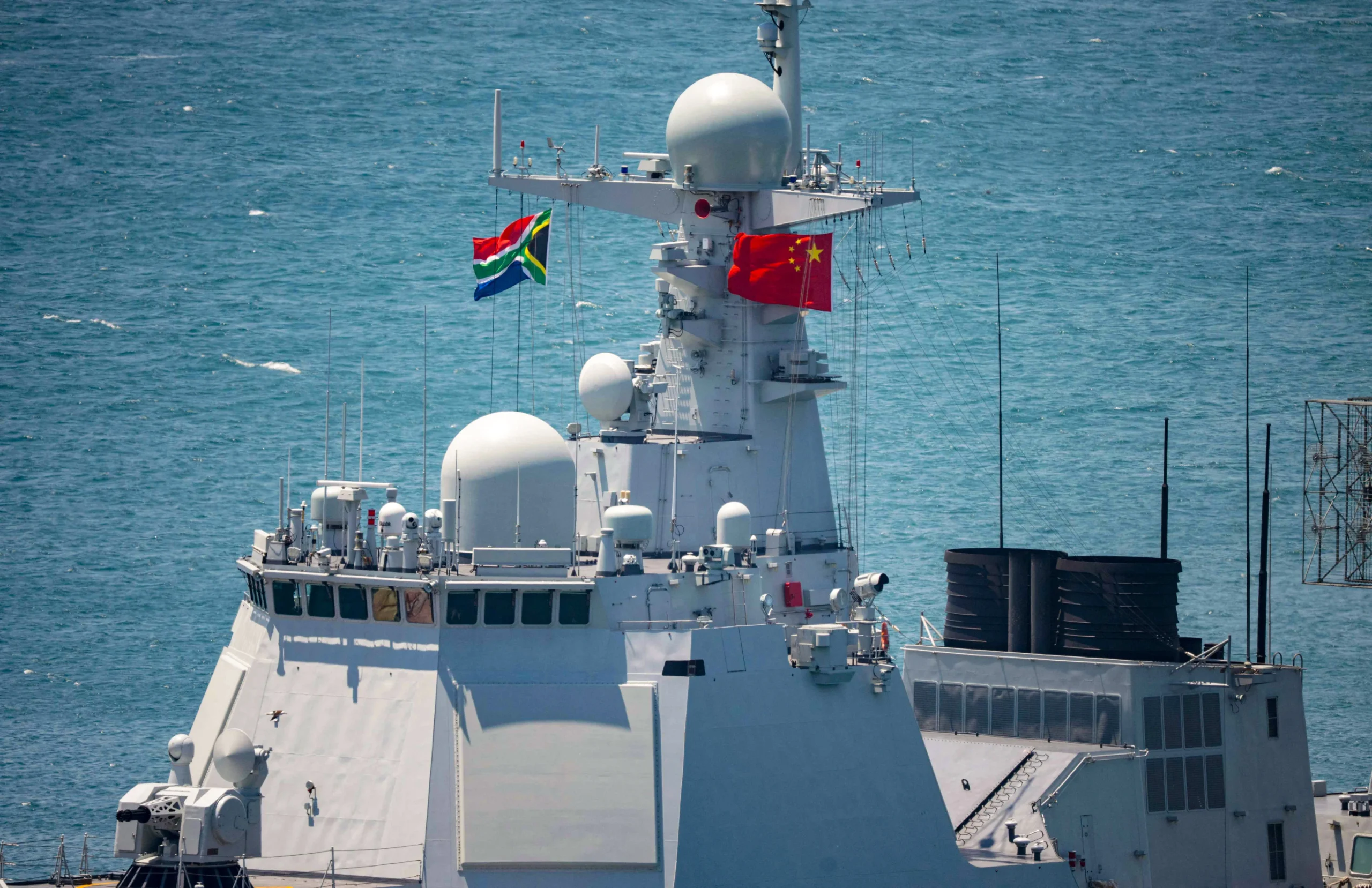
- Global Power Projection: The LPM confirms France’s dedication to its role as a power with global reach. This is especially true in the vast Indo-Pacific region, where France has overseas territories.
- Taiwan Strait Mention: The law is historic because it officially includes a statement on defending the freedom of navigation in the Taiwan Strait. This makes France the first major country to put this commitment into its national law. This strongly signals France’s dedication to stability in Asia.
- European Defence: The massive investment also strengthens the entire European defense structure. France remains a key leader, pushing for greater EU cooperation in defense technology and spending.
Macron’s Lecornu II is a landmark law. It is a firm statement that France will invest heavily in its own defense and its place on the global stage. With €413.3 billion dedicated to military readiness, France is moving from “fixing” its armed forces to actively transforming them.
This change is not cheap, and it requires tough political choices about spending in other areas. However, the law provides the military and the defense industry with a clear path forward until 2030. It ensures that France can meet the challenges of high-intensity conflict, secure its interests from space to the deep sea, and remain a sovereign, strategic power in Europe and across the world. The Lecornu II is truly a seven-year blueprint for the future of French defense.
Read More Articles Click Here. Read Previous Article Click Here.
About The Author








Leave a Reply