
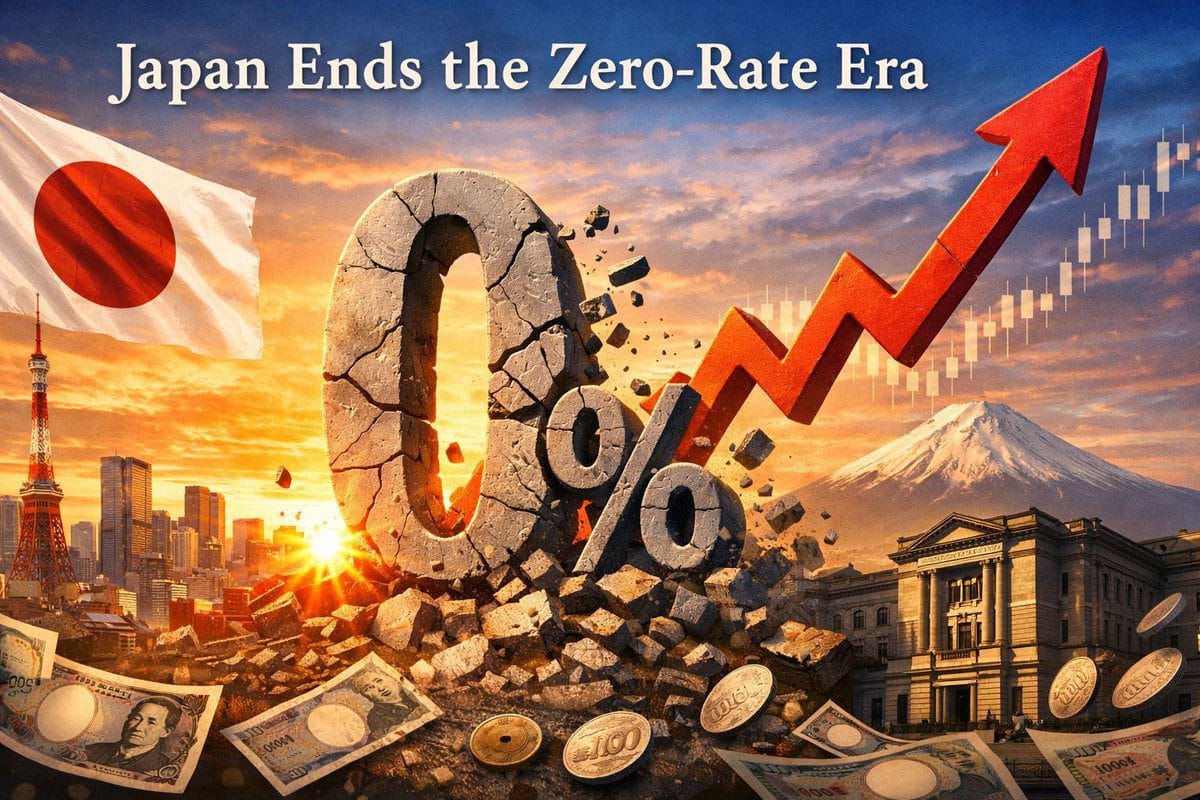
Have you noticed how the world of money is changing lately? (Japan Raise) For a very long time, Japan was known for having interest rates that were near zero or even negative. This was part of a plan to help their economy grow after decades of slow progress. However, on Friday, December 19, 2025, the Bank of Japan made a historic decision. They raised their key interest rate to 0.75%, which is the highest level it has been since 1995!
This move shows that the “lost decades” of stagnation might finally be coming to an end. In this article, we will explain why this hike happened and how it affects everyone from local shoppers to global investors.
Why the Bank of Japan Acted Now
The main reason for this sudden change is a simple word: inflation. For over 44 months, prices in Japan have been rising faster than the government’s target of 2%. In November 2025, the inflation rate reached 3%, mostly because of the high cost of food and fuel. Even the price of rice, a staple for every family, jumped by a massive 37%!
The Bank of Japan, led by Governor Kazuo Ueda, decided that they could no longer keep rates at nearly zero. They want to make sure that prices do not spiral out of control. This hike is a bold attempt to bring stability back to the Japanese economy after years of “cheap money.”
Breaking a 30-Year Record
To understand how big this news is, we have to look back at history. The last time interest rates were at this level was in September 1995. For nearly 30 years, Japan stood apart as the only major economy that refused to raise borrowing costs. While the US and Europe raised their rates to fight the pandemic’s impact, Japan kept theirs low to encourage spending.
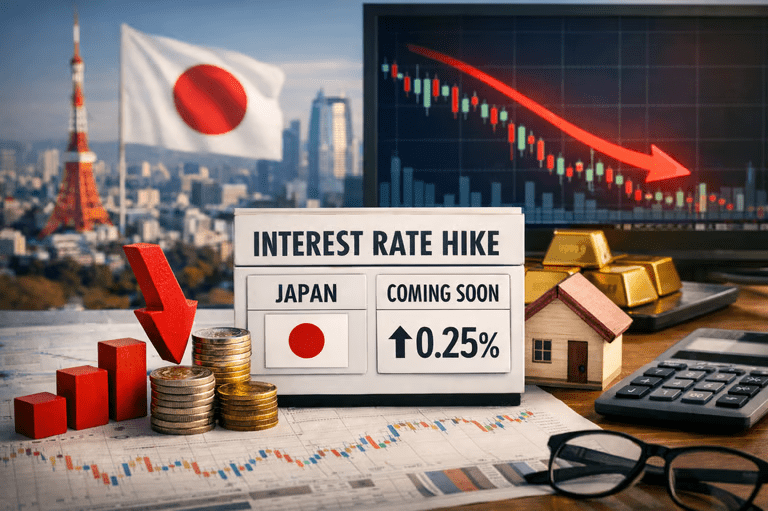
This new rate of 0.75% marks a “landmark step” away from those emergency settings. It signals that Japan is ready to join the rest of the world in a more “normal” financial environment. It is truly the end of an era for the Land of the Rising Sun.
The Role of Rising Wages
Governor Ueda has been very clear that he only wanted to raise rates if people were earning more money. He wanted to see a “virtuous cycle” where higher wages lead to more spending, which then leads to healthy price growth. Recently, Japanese companies have promised to give their workers steady wage increases in 2026. Because corporate profits are looking good, the Bank of Japan feels confident that families can handle higher borrowing costs.
This focus on wages is the key reason why the vote for the rate hike was unanimous among the nine board members. They believe that the average Japanese worker is finally in a better position to face the future.
The Problem of the Weak Yen
Another major factor that pushed the bank to act was the weak Japanese yen. For most of 2025, the yen has been trading very low against the US dollar, often above ¥155. When the yen is weak, it makes everything Japan buys from other countries, like oil and food, much more expensive. This “import inflation” has been a huge burden for regular households and small businesses.
By raising interest rates, the bank hopes to make the yen more attractive to investors. If more people want to buy the yen, its value will go up, which should eventually help lower the cost of living for everyone in Japan.
Impact on Home Loans and Borrowing
For the average person in Japan, this rate hike brings some immediate “wrinkles” to their budget. When the central bank raises rates, it becomes more expensive for regular banks to lend money. This means that interest rates on home mortgages and car loans will likely go up soon. Many homeowners in Japan have “floating rate” mortgages, which means their monthly payments could increase.

At the same time, people with savings accounts might finally see a small amount of interest on their deposits. It is a big change for a generation of people who have never seen interest on their bank statements before.
A Challenge for the New Government
This historic decision is also the first major test for the new administration of Prime Minister Sanae Takaichi. She took office in late 2024 and has been a supporter of spending more money to help the economy grow. However, a weak yen and high prices have caused a lot of “public resentment” among voters.
While her team might have preferred lower rates, they likely realized that fighting inflation was more important for staying in power. This rate hike shows that the central bank is independent, but it also aligns with the government’s goal of protecting the purchasing power of Japanese citizens.
The “Paradox” of the Global Market
Interestingly, the global markets had a strange reaction to the news. Even though Japan raised its rates, the yen did not get stronger right away. Financial experts call this a “paradox” or a “buy the rumor, sell the news” event. Because everyone expected the hike to happen, the market had already adjusted its prices.
Additionally, interest rates in the United States and Europe are still much higher than 0.75%. This “gap” means that many investors still prefer to keep their money in dollars rather than yen. It will likely take a few more hikes before the yen starts to see a significant and lasting recovery.
What Lies Ahead in 2026?
So, is this the end of the rate hikes, or is there more to come? Governor Ueda has left the door wide open for more increases in 2026. He stated that 0.75% is still “far from the bottom” of what he considers a “neutral” rate. A neutral rate is one that neither speeds up nor slows down the economy. Most experts think the bank will aim for a rate between 1% and 2.5% in the future.
However, they will move slowly and carefully to make sure they do not hurt the still-fragile economy. The path forward will depend on whether inflation stays high and if wages continue to rise as expected.
A Risky Move for Global Finance
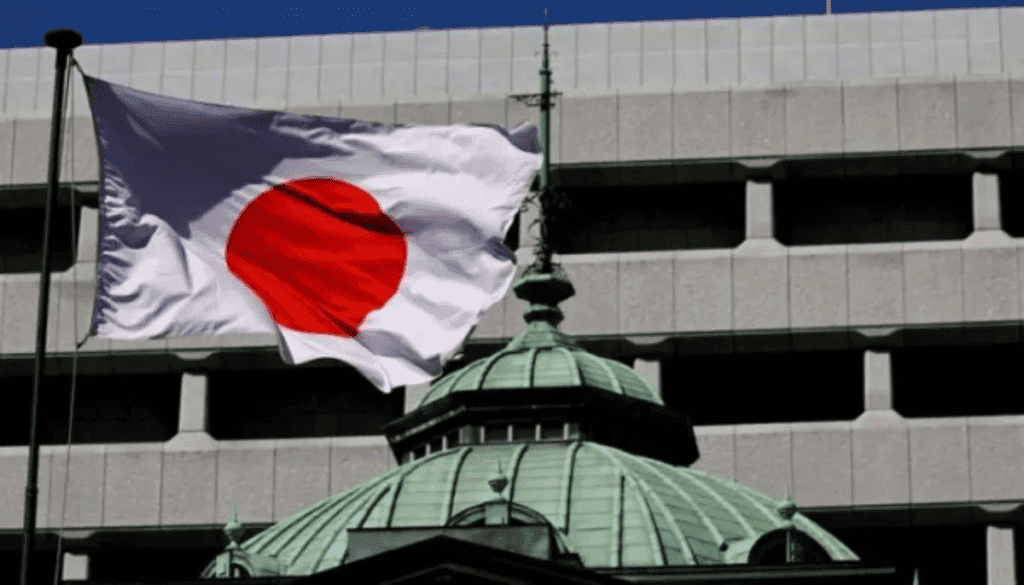
Japan’s decision also has a big impact on the rest of the world. For decades, investors used a strategy called the “yen carry trade.” They would borrow money in yen at very low rates and invest it in other countries where they could make more profit. As Japan’s rates go up, this strategy becomes more expensive and risky.
If thousands of investors decide to “unwind” their trades at once, it could cause big swings in global stock markets. This is why financial leaders in the US and Europe are watching Japan so closely. A small change in Tokyo can create a large wave that reaches all the way to New York and London. Japan Raise
A New Era for Japan’s Economy Japan Raise
In conclusion, Japan’s decision to hike interest rates to a 30-year high is a bold and necessary move. It shows that the country is finally ready to tackle inflation and move away from its old “lost decades” mindset. While the 0.75% rate is still low compared to other countries, its symbolic meaning is huge.
From helping the weak yen to managing rising food prices, the Bank of Japan is taking control of its own destiny. As we move into 2026, the world will be watching to see if this historic shift leads to a stronger and more stable Japan. The journey has just begun, and the results will affect every one of us. Japan Raise
Read More Articles Click Here. Read Previous Articles Click Here.
About The Author






Leave a Reply