
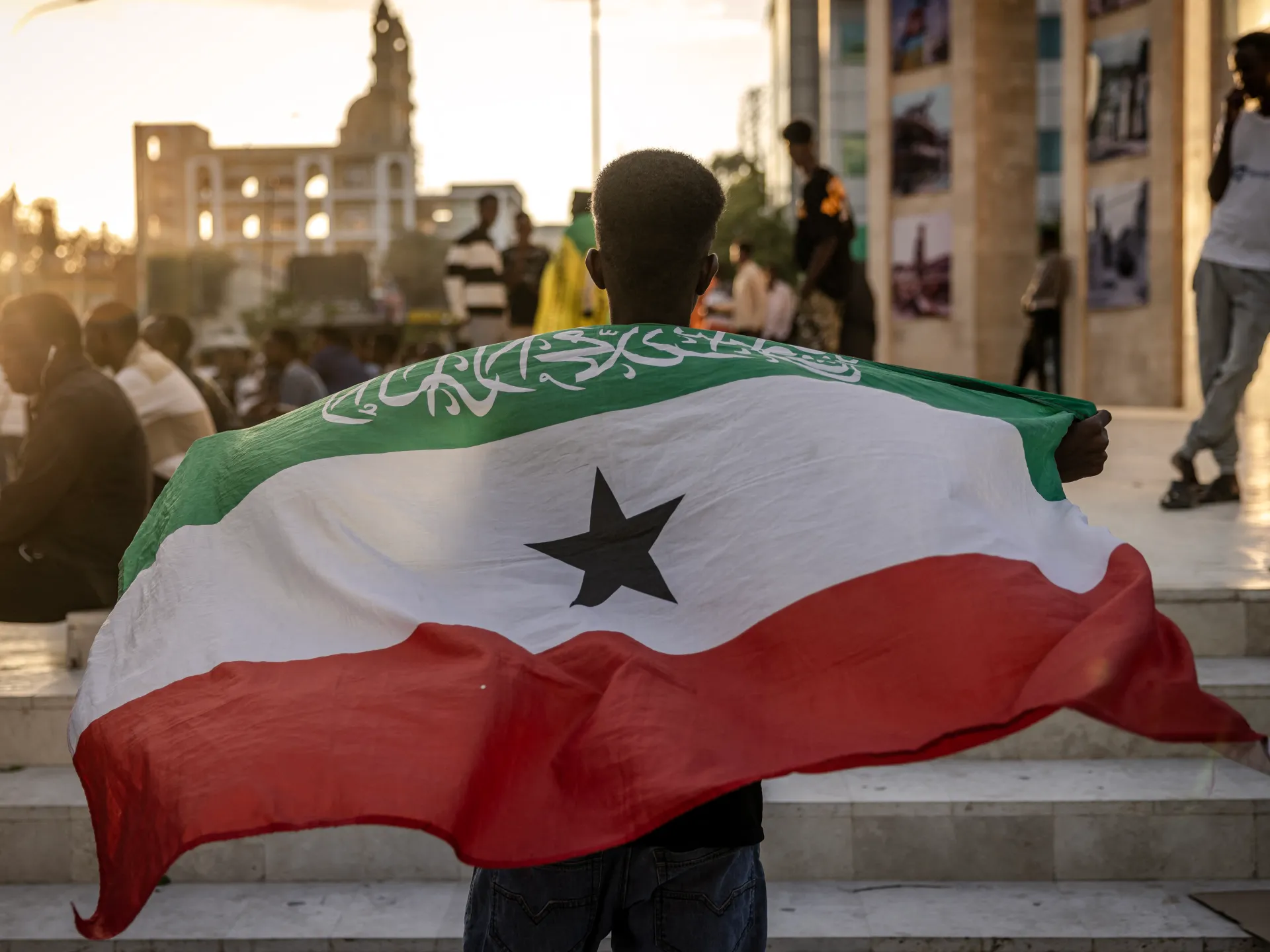
The Horn of Africa is facing a massive diplomatic shift that no one expected. On December 26, 2025, Israel became the first United Nations member to officially recognize Somaliland as an independent state. This bold move has sent shockwaves through the halls of the UN and across the Middle East. Israel and
For over thirty years, Somaliland has acted as its own country, but no one gave it a “seat at the table.” Now, Israel has broken that silence, and the timing could not be more critical. This decision is not just about a new map; it is about power, security, and the future of the Red Sea.
A Historic Breakthrough in Hargeisa
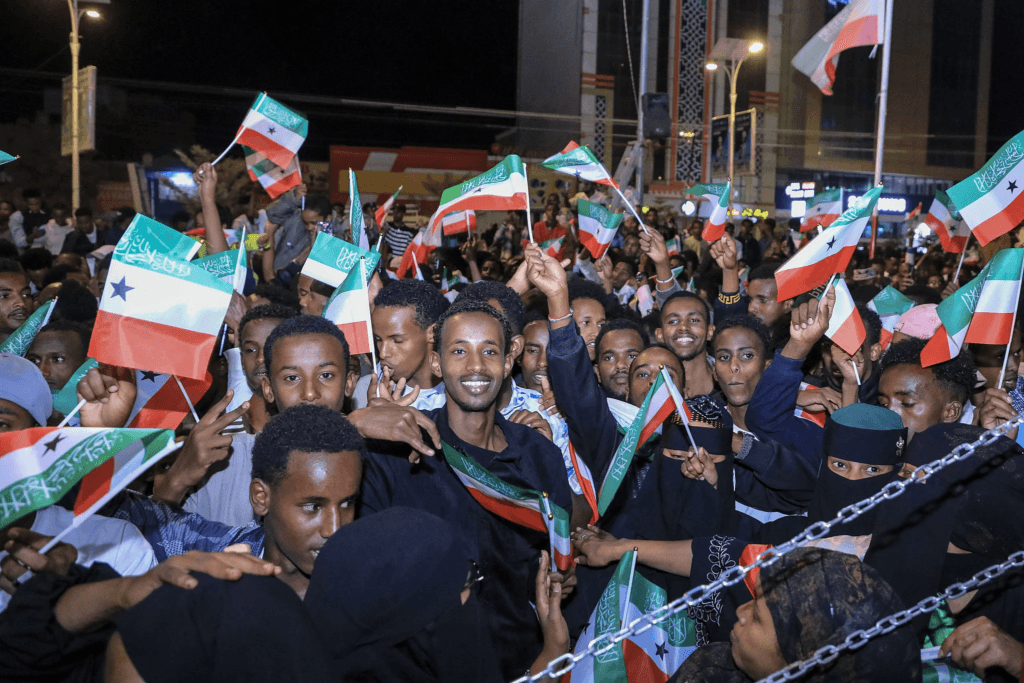
For the people in Hargeisa, the capital of Somaliland, this news felt like a dream come true. Since 1991, they have governed themselves with their own money, army, and elections. However, the world always treated them as part of Somalia.
By recognizing their “right to self-determination,” Israel has validated their long struggle for identity. This act of realism acknowledges that Somaliland is stable while its neighbors often struggle. It gives the territory a new sense of hope for trade and international investment.
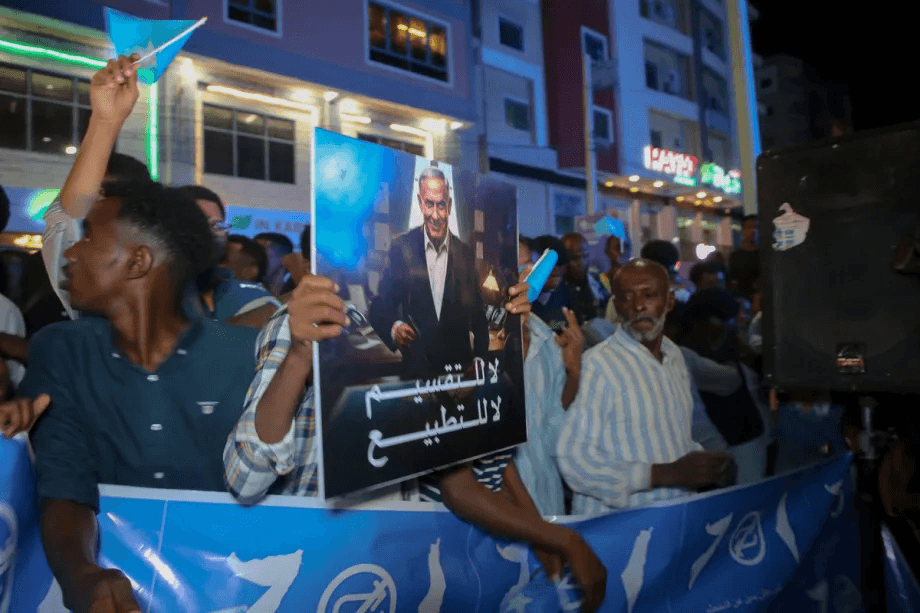
Why Israel Made the Move
Israel’s choice was very strategic and carefully planned. The Red Sea is a vital path for global trade, but it has become very dangerous lately. Houthi rebels in Yemen have been attacking ships, causing major delays and high costs.
By partnering with Somaliland, Israel gains a “foothold” near the Bab-el-Mandeb Strait. This area is a “chokepoint” where many ships must pass. Having a friendly partner like Somaliland helps Israel monitor threats and protect its economic interests in the region.
The Angry Response from Mogadishu
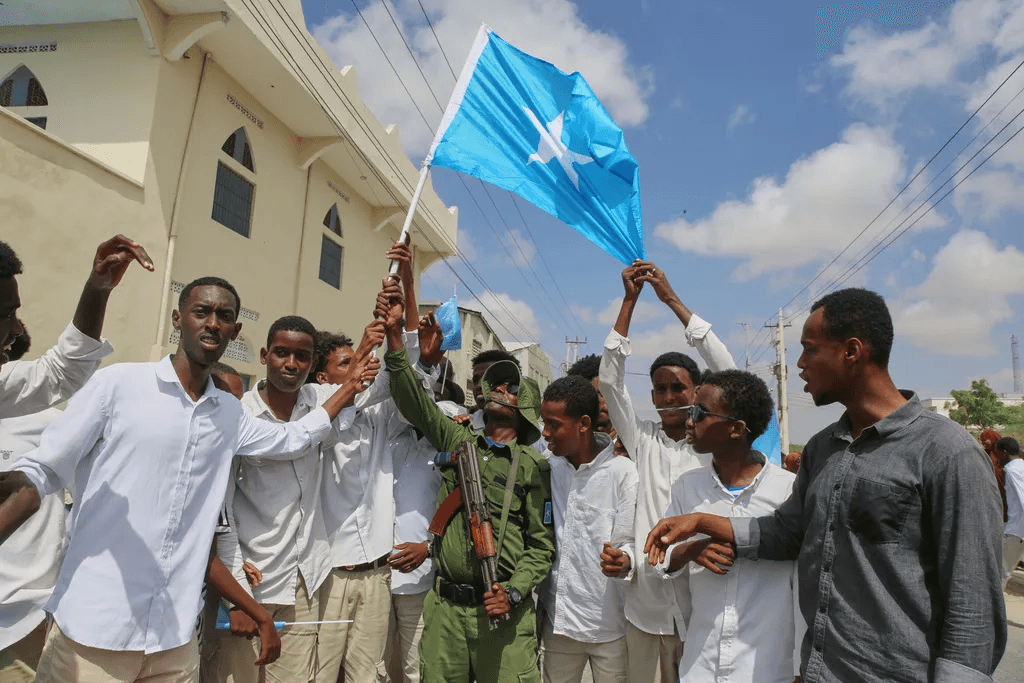
On the other hand, the government in Somalia is absolutely furious. They see this move as a direct attack on their “territorial integrity.” President Hassan Sheikh Mohamud called the recognition an “illegal aggression.”
He believes that Israel is trying to divide his country for its own gain. Somalia has already called for emergency meetings at the UN Security Council to stop this. They fear that if one country recognizes Somaliland, many others might follow, leading to the total breakup of Somalia.
A New Chapter for the Abraham Accords
Prime Minister Benjamin Netanyahu linked this move to the “spirit of the Abraham Accords.” These accords were meant to build peace between Israel and Muslim-majority nations. Since Somaliland is a Sunni Muslim society, this partnership fits that goal perfectly.
It shows that pragmatic nations can work together even if they have different histories. This recognition proves that the Accords are still growing and reaching new parts of the world. It sends a message that security and trade are more important than old rivalries.
Ethiopia’s Difficult Position
Ethiopia is watching this situation with a mix of interest and fear. They have already signed their own deal with Somaliland to use the Port of Berbera. However, they stopped short of full recognition to avoid a war with Somalia.
Now that Israel has acted first, the pressure is on Ethiopia to make a choice. They want access to the sea, but they also want to keep peace in the region. Israel’s move might give Ethiopia the “cover” it needs to finally recognize Somaliland too.
Concerns Over Regional Stability
Many experts worry that this move could cause more fighting. The African Union (AU) has long said that colonial-era borders should not be changed. They fear that recognizing Somaliland will encourage other “secessionist” groups across Africa to start wars.
If every small group wants its own country, the continent could become very unstable. Critics at the UN argue that Israel is setting a “dangerous precedent.” They believe that short-term security gains might lead to long-term chaos for millions of people.
The Role of Turkey and Egypt
Turkey and Egypt are also very concerned about Israel’s growing influence. Turkey has spent a lot of money building up Somalia’s army and economy. They see Israel’s move as a way to “undercut” their hard work. Egypt is also worried because they rely on a stable Red Sea for the Suez Canal.
If the Horn of Africa becomes a “battleground” for foreign powers, it hurts everyone’s business. These countries are now working together to support Somalia’s unity against Israel’s new alliance.
Economic Hopes for Somaliland
Beyond politics, this recognition could bring a “wealth of opportunities.” Somaliland has a lot of potential in fishing, mining, and shipping. However, without recognition, big banks and companies were afraid to invest there.
Now that a major power like Israel has stepped in, that might change. We could see new technology and infrastructure projects starting soon. This would create jobs for young people who have lived in a “legal gray zone” for their entire lives.
The Human Side of the Conflict Israel and
We must also think about the people living in these areas. In Somalia, there is a lot of pride in being one united nation. Many citizens feel betrayed by Israel’s intervention. Meanwhile, in Somaliland, people are celebrating in the streets with flags and music.
This divide shows how deeply the issue affects the “hearts and minds” of the population. Any solution must consider the safety and happiness of the regular people, not just the goals of the politicians.
Looking Toward an Uncertain Future
The recognition of Somaliland is a “calculated gamble” that will change the world. It has turned the Horn of Africa into a center of global competition. Whether this brings peace through stability or war through division remains to be seen. Israel and
The UN Security Council will likely debate this for months. For now, the “status quo” has been shattered forever. The world must now figure out how to handle a new, recognized state in one of the most volatile places on Earth.
Israel’s recognition of Somaliland is a major event for 2026. It highlights the importance of the Red Sea and the need for stable partners. While Somaliland celebrates, Somalia and its allies are preparing to fight back diplomatically. Israel and
This move reshapes the Abraham Accords and challenges old rules about borders. As the region navigates this change, the hope is for a peaceful outcome. Only time will tell if this was a masterstroke of strategy or a recipe for more conflict. Israel and
Read More Articles Click Here. Read Previous Articles Click Here.
About The Author





Leave a Reply