
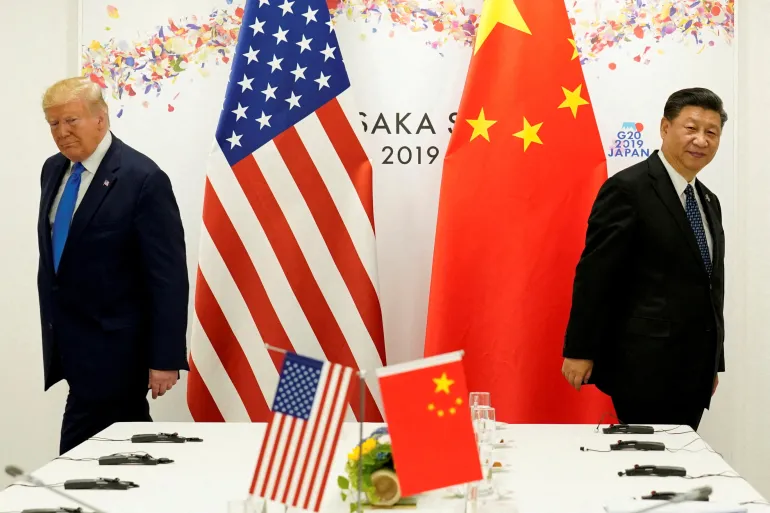
A New Moment for Global Leadership
The Group of Twenty, or G20, is the world’s most important group for economic cooperation. It brings together the biggest economies and Leadership, which make up about 85% of the world’s wealth and two-thirds of all people. When these leaders meet, the world pays attention.
But recently, the G20 has seen big changes. When the United States President decides to stay away from the G20 summit, it creates a big hole. This absence is a huge opportunity for another major country to step up and lead.
That country is China.
China is ready to take a bigger role in global affairs. With the US President adopting an “America First” policy, many countries feel left out or worried. This feeling gives China a clear chance to show itself as a reliable and stable partner committed to working together. This article explains how China plans to use this moment to become a key leader at the G20 and in the world.
Filling the Leadership Gap
For many years, the US was the clear leader in global talks. When the US President decides not to attend a major event like the G20, it lessens the meeting’s importance. It can make other leaders feel unimportant.
This retreat by the US is seen by some as a “huge gift” to China.
- The US is pulling back from international groups.
- The US policy of “America First” makes other nations feel unwanted.
- China can move in to fill this gap.
China’s strategy is simple: Be the opposite of the US policy. China talks about working together. They support “true multilateralism,” which means all countries should talk about and decide on global issues together. By promoting this idea, China tries to show that the US is creating division while China is building unity.
Championing the Global South
The most important way China can win leadership is by standing up for the Global South. The Global South includes developing countries in Africa, Latin America, and Asia. These nations often feel that the richer countries in the West do not listen to their needs.
The latest G20 summit, held in South Africa, was the first ever on the African continent. This was a clear signal that the G20 needs to focus more on the needs of developing countries.
China is already a key partner to the Global South through its major projects.
- Infrastructure: China invests heavily in roads, ports, and power plants across Africa and Asia. This building helps these nations modernize.
- Belt and Road Initiative (BRI): This massive project connects countries through trade and infrastructure. It makes China a main development partner for many nations.
- New Initiatives: China has started the Global Development Initiative (GDI) and the Global Security Initiative (GSI). These plans give a new way for countries to cooperate on development and safety, putting the focus on China’s methods.
By pushing for the G20 to focus on debt relief, climate help, and development for the Global South, China gains strong support. This support gives China a powerful voice in the G20 without needing the agreement of the US.
Driving the Green Technology Agenda
Technology is a main area where China can show world leadership. China has spent years becoming a leader in green technology. This includes electric vehicles (EVs), solar power, and wind energy.
China now controls most of the world’s supply chain for this vital green technology.
- Setting the Standard: As China’s technology becomes more common globally, especially in the Global South, the standards that China uses become the global standards.
- Climate Finance: China can push the G20 to increase funding for poorer nations to switch to clean energy. This action helps fight climate change and builds trust with developing nations that need help.
- AI Governance: China is also active in making rules for new technology like Artificial Intelligence (AI). They want to share their AI know-how with the Global South. This allows China to help set global standards for AI, especially if the US is focused only on its own issues.
This focus shows that China is not only interested in economic growth but is also a leader in solving the world’s biggest problems, like climate change.
Upholding Global Rules and Trade
A key part of China’s plan is to defend the global trading system. The US President’s talk of high tariffs and trade wars worries many nations. They fear that trade rules will change quickly and without warning.
In contrast, China firmly speaks out against “unilateralism and protectionism.” These are terms used to describe a country making its own rules and putting up barriers, like the US is doing.
- Free Trade Champion: China calls for the G20 to firmly uphold free trade and build an open world economy. This message is very attractive to countries that depend on global markets.
- Reforming Global Governance: China actively calls for changes to world bodies like the World Bank and the International Monetary Fund (IMF). They want to give emerging economies, like those in the Global South, a bigger voice and more power. This reform agenda makes China look like a fair champion for the entire global system.
By being a predictable partner for trade and an advocate for a fairer global system, China makes itself the preferred leader for many G20 members.
A New Era of Multipolar Governance
The absence of the US President at the G20 is more than just a missed meeting. It shows a major shift in global power and leadership. The US is choosing to step back, and China is choosing to step forward.
China’s plan to take leadership is clear. It involves:
- Promoting Solidarity: Acting as a reliable, stable partner for all countries.
- Championing the Global South: Focusing the G20 agenda on the needs of developing nations.
- Leading on Technology: Driving the agenda for green technology and AI governance.
- Upholding Global Trade: Opposing protectionism and pushing for an open world economy.
By doing these things, China is changing the story of global governance. It presents itself as the defender of working together and a fairer system for all nations. China is showing the world that even without the US, the G20 can still find agreement and address the world’s biggest challenges. This strategy is building a new, more balanced and multipolar world order with China at the center of the change.
Read More Articles Click Here. Read Previous Article Click Here.
About The Author






Leave a Reply