
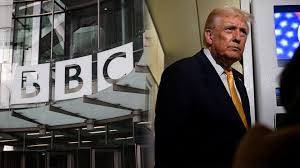
The British Broadcasting Corporation (BBC) has plunged into its most severe (BBC’s Upheaval) leadership turmoil in over a decade. The dramatic resignations of Director-General Tim Davie and Head of News Deborah Turness sent shockwaves across the media world. This sudden exodus has directly triggered by a controversy. The row centered on the misleading editing of a 2021 speech by U.S. President Donald Trump in a Panorama documentary. The event immediately raised a critical question: Has this upheaval a necessary, painful correction to an institutional crisis, or has it a calculated political coup orchestrated by the BBC’s external and internal enemies? The conflicting narratives reveal the intense political and financial pressures now threatening the very foundation of the public broadcaster. BBC’s Upheaval
The Catalyst: An Editorial Error Becomes a Political Weapon BBC’s Upheaval
The turmoil stems from a single, acknowledged mistake that was magnified by political forces. The error provided the perfect ammunition for the BBC’s long-standing critics.
The Panorama Edit
The core offense occurred in a Panorama documentary. The episode spliced together two quotes from President Trump’s January 6, 2021, speech. The two sections have spoken nearly an hour apart. The edited clip suggested that Trump explicitly urged his supporters to violence. The unedited transcript showed he had called for supporters to “cheer on our brave senators and congressmen and women” and to “peacefully and patriotically make your voices heard.” The resulting controversy was amplified when a former external advisor’s leaked memo revealed that the BBC had been slow to formally address the internal lapse. The BBC has since apologized. It conceded the edit “gave the impression of a direct call for violent action.”
The Political Pressure Cooker
This admission fueled an immediate, intense response. The White House, through Press Secretary Karoline Leavitt, publicly denounced the BBC. She labeled the organization “100% fake news” and a “propaganda machine.” President Trump wrote to the BBC threatening a $1 billion defamation lawsuit. Furthermore, influential conservative commentators and politicians in the UK seized the moment. They intensified long-standing accusations of “institutional bias” within the corporation. The convergence of White House pressure, internal dissent, and hostile media scrutiny created an untenable situation for the leadership.
The Question of Control: Crisis or Coup? BBC’s Upheaval
The proportionality of the resignations—the Director-General and the Head of News—is what fundamentally divides observers. Their departures have seen as either an unavoidable consequence of error or a tactical victory for the political right. BBC’s Upheaval
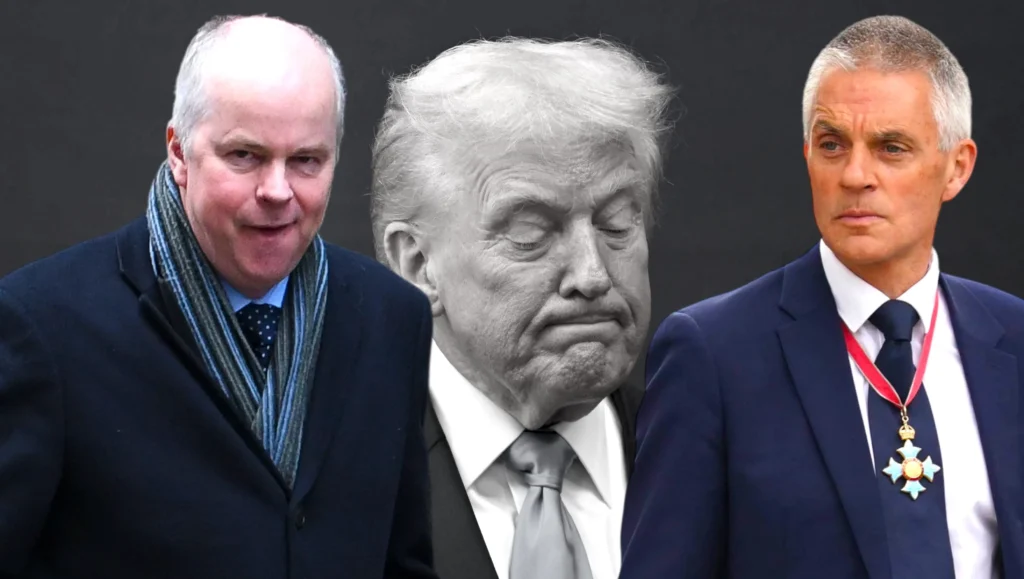
The Crisis Narrative: Taking Responsibility
The outgoing executives framed their exits as necessary acts of accountability. Deborah Turness stated she “stepped down over the weekend because the buck stops with me.” She acknowledged the controversy was damaging the institution she loved. Tim Davie expressed his support for an impartial BBC. He conceded that “some mistakes have made and as director general I have to take ultimate responsibility.” This view supports the narrative that the resignations were an attempt to protect the BBC itself. It has a sacrifice made to demonstrate seriousness about maintaining trust and rectifying internal errors. The chair of the BBC, Samir Shah, supported this view. He called Davie’s departure a “sad day” but respected the decision made under “continued pressure.”
The Coup Narrative: A Coordinated Attack BBC’s Upheaval
A powerful counter-narrative immediately emerged. It framed the departures as an “internal coup.” David Yelland, a former Sun editor, asserted that Davie and Turness have “systematically undermined” by individuals close to the BBC board. Insiders within BBC News echoed this dismay. They described the atmosphere as feeling like “the result of a campaign by political enemies of the BBC.” The resignation has seen as the culmination of a political effort. This campaign aims to destroy the institution or force it far to the right ahead of crucial government negotiations over future funding. Liberal Democrat leader Ed Davey publicly warned that Britain must “defend the BBC from foreign interference,” directly referencing the pressure from the President of the United States. BBC’s Upheaval
The Strategic Context: Funding and Future BBC’s Upheaval
The true stakes of the BBC upheaval extend far beyond the single Panorama edit. The resignations occur at a moment of maximum vulnerability for the corporation.
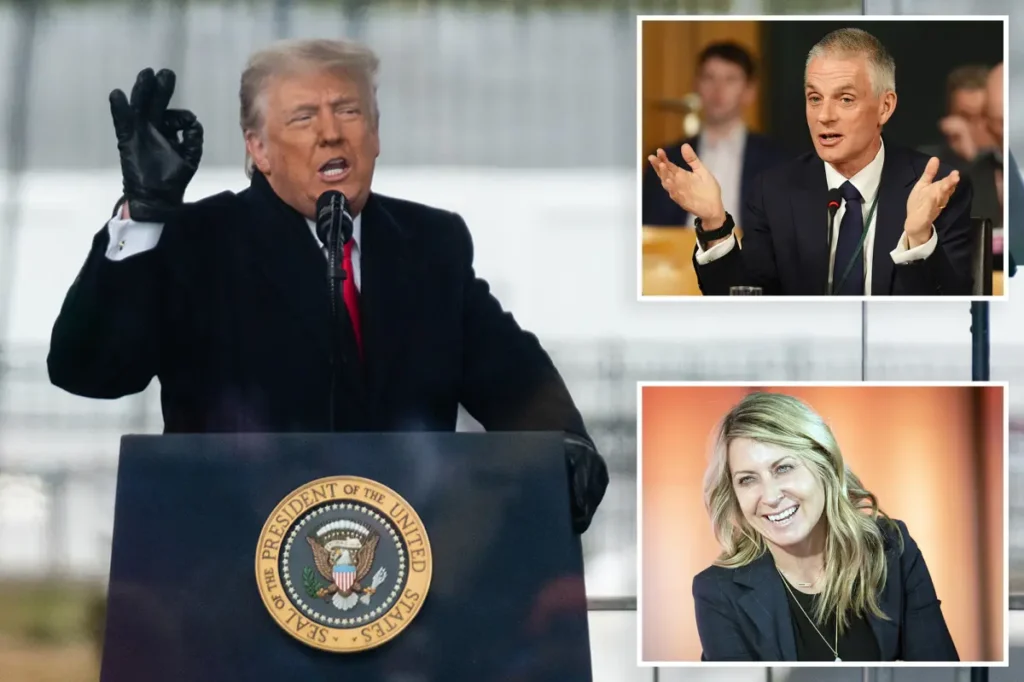
Negotiating Under Fire
The BBC is currently preparing for critical talks with the UK government. These negotiations will determine its future funding model and the renewal of its royal charter. Accusations of institutional bias severely weaken the BBC’s hand in these discussions. The resignations may have been a strategic calculation. The belief was that approaching the government with a new, less-controversial leadership slate might yield more favorable funding terms. The conservative faction in British politics has long sought to impose significant reforms on the BBC. This includes changing how it has governed and funded. The scandal provided them with the ideal leverage. BBC’s Upheaval
The Crisis of Trust
Regardless of the narrative, the incident has caused deep damage to public trust. The BBC remains one of the world’s most trusted news brands globally. However, the slow internal response to the editing error and the political fallout have eroded that faith. The internal divisions highlighted by the leaked memo confirm the public suspicion that the BBC struggles with impartiality on politically sensitive subjects. The new leadership must not only navigate the political storm. They must also undertake a massive internal effort. This has required to restore journalistic rigor and public confidence in its editorial standards.
A Turning Point for Accountability BBC’s Upheaval
The sudden and dramatic departure of the BBC’s two top executives marks an undeniable turning point. Whether viewed as a necessary capitulation to errors (Crisis) or the successful execution of political warfare (Coup), the outcome is the same. The institution is now in turmoil. It is facing intense external pressure and internal demoralization. The resignations have directly fueled by the misleading edit of the Trump speech. They occurred amidst a chorus of criticism over broader allegations of institutional bias. The future of the BBC depends on the ability of its new leadership to decisively reject political influence. They must prioritize genuine, transparent accountability. This has required to secure both its funding and its reputation as a fair, independent global news provider. BBC’s Upheaval
Read More Articles Click Here. Read Previous Article Click Here.
About The Author






Leave a Reply