Why India-US Signed a 10-Year Defence Pact.
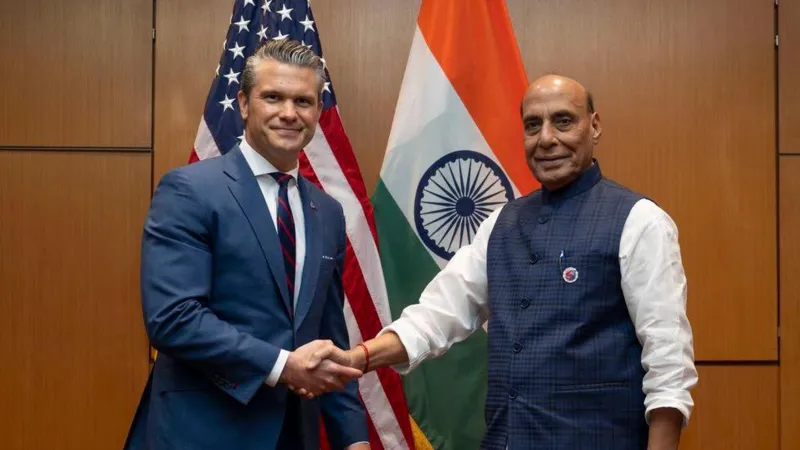
A new decade of strategic alignment has begun between the United States and India (India-US). Defence Minister Rajnath Singh and U.S. Secretary of War Pete Hegseth met in Kuala Lumpur. They formalized a crucial 10-year Defence Framework Agreement. This landmark pact sets a long-term roadmap for their Major Defence Partnership. It aims to deepen military, technological, and intelligence cooperation. However, the timing of the signing highlights a stunning paradox. The deal comes amid a bruising tariff war. The U.S. administration has recently slapped severe duties on Indian goods. Therefore, the agreement underscores a strategic reality. Geopolitics and security are now prioritized above all else. They are separated from volatile economic disputes. India-US
A Milestone of Strategic Convergence India-US
The signing of the new framework replaces the previous agreement from 2015. It is designed to elevate the partnership to an ambitious new level.
Defining the Long-Term Vision
Defence Minister Singh hailed the agreement. He termed it the beginning of a “new chapter.” He stressed that defence will remain the “major pillar” of bilateral relations. Secretary Hegseth echoed this optimism. He called the framework a “cornerstone for regional stability and deterrence.” The pact provides policy direction across the entire spectrum of defense ties. This includes everything from joint military exercises to advanced technology collaboration. India-US
Core Provisions of the New Framework India-US
The 10-year agreement is ambitious in scope. It moves beyond simply selling military equipment. It focuses on strategic cooperation.
- Enhanced Coordination: The deal mandates deeper military-to-military engagement. This includes complex joint training activities. It aims to enhance interoperability between the two militaries.
- Information Sharing: The framework formalizes mechanisms for sharing critical intelligence. This is vital for maritime surveillance and regional security.
- Technology Cooperation: The pact emphasizes co-development and co-production efforts. India seeks to bolster its domestic defense manufacturing (“Make in India”). The U.S. promises to support this initiative.
In essence, the agreement formalizes India’s role. It is now a key strategic partner. The partnership is deemed “critical” for ensuring a free, open, and rules-based Indo-Pacific region. This is an oblique reference to the growing assertiveness of China.
The Tariff Paradox: Security Amidst Economic War India-US
The most striking feature of this new defense framework is its context. It was signed while New Delhi and Washington remain locked in a bruising trade dispute.
Punitive Duties and Russian Oil
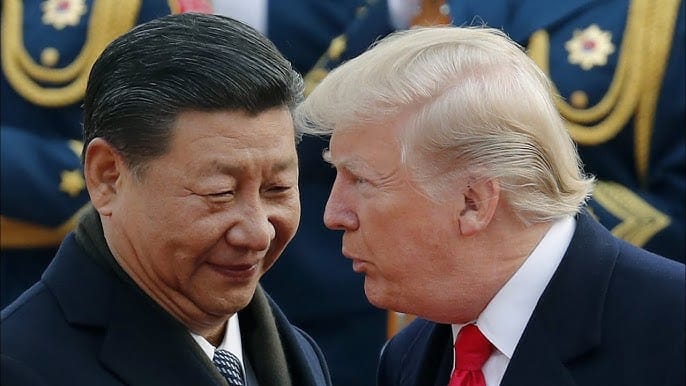
U.S. President Donald Trump recently imposed high tariffs on Indian goods. Some duties soared as high as 50% on key Indian exports. The action was politically motivated. It was partly in retaliation for India’s continued purchase of Russian oil and arms. Washington added a 25% penalty tariff on certain Indian imports. This was done to discourage New Delhi’s energy trade with Russia. This economic hostility has severely impacted Indian exports. It threatens millions of jobs in labor-intensive sectors. Therefore, the simultaneous advancement of deep military ties and punitive economic tariffs presents a powerful paradox.
Strategic Patience vs. Transactional Pressure
India’s diplomatic strategy has been clear. It has compartmented the relationship. New Delhi refuses to allow trade disputes to derail strategic security cooperation. Commerce Minister Piyush Goyal reiterated India’s stance. He stated that India would not rush into any trade deal. It will not accept terms that limit its sovereign choices, especially regarding energy supply. Conversely, the U.S. demonstrates transactional diplomacy. Washington is willing to leverage economic threats. It uses this leverage to coerce India into geopolitical alignment. The signing of the pact, despite the tariffs, suggests India’s strategic patience has paid off. It proves that the U.S. needs the partnership more than it needs to win every trade skirmish.
The Co-Production Challenge: Partnership or Customer? India-US
The true success of the 10-year framework hinges on technology transfer and co-production. India’s goal is to become a defense manufacturer. It does not want to remain solely a major customer.
The Make in India Bottleneck
The U.S. promises co-production. India seeks joint manufacturing of advanced systems. However, past experience has led to skepticism. Washington has historically resisted transferring sensitive technology. There are current delays in the delivery of GE Aerospace’s F404 engines for India’s Tejas Light Combat Aircraft. Furthermore, negotiations to jointly produce F414 engines remain ongoing. Critics argue that the pact looks less like an “equal partnership” and more like a “decade-long order book” for U.S. defense giants. They suggest that the profits flow one way. India receives assembly rights, not true innovation.
Geopolitical Reassurance
Despite these concerns, the pact offers genuine strategic reassurance. The formalization of military cooperation is essential. It is critical for countering China’s growing naval power in the Indian Ocean. The framework guarantees continued access to sophisticated U.S. military platforms. These platforms are already integrated into India’s forces. The commitment to interoperability is invaluable. It ensures that if tensions escalate in the Indo-Pacific, India will not be watching from the sidelines. The agreement cements a strategic bond. It creates a powerful counterweight in the region.
A Strategic Anchor in Turbulent Waters India-US
The India-U.S. 10-year Defence Framework is a clear signal of strategic convergence. The pact represents a high-level commitment. It binds the two countries together for the next decade. It is an anchor in otherwise turbulent waters. The paradox of the tariff war serves as a reminder. The economic relationship remains highly transactional and personalized by U.S. politics. However, the security relationship is now driven by shared geopolitical necessity. The U.S. recognizes India’s critical role in the Indo-Pacific. India is exploiting that need. The challenge now for New Delhi is to transform this strategic pact into meaningful economic reciprocity. It must ensure that the promise of co-production materializes. This will ensure that India is treated as a partner, not just a customer. India-US
Read More Articles Click Here. Read Previous Article Click Here.
About The Author